Published on: March 06, 2026
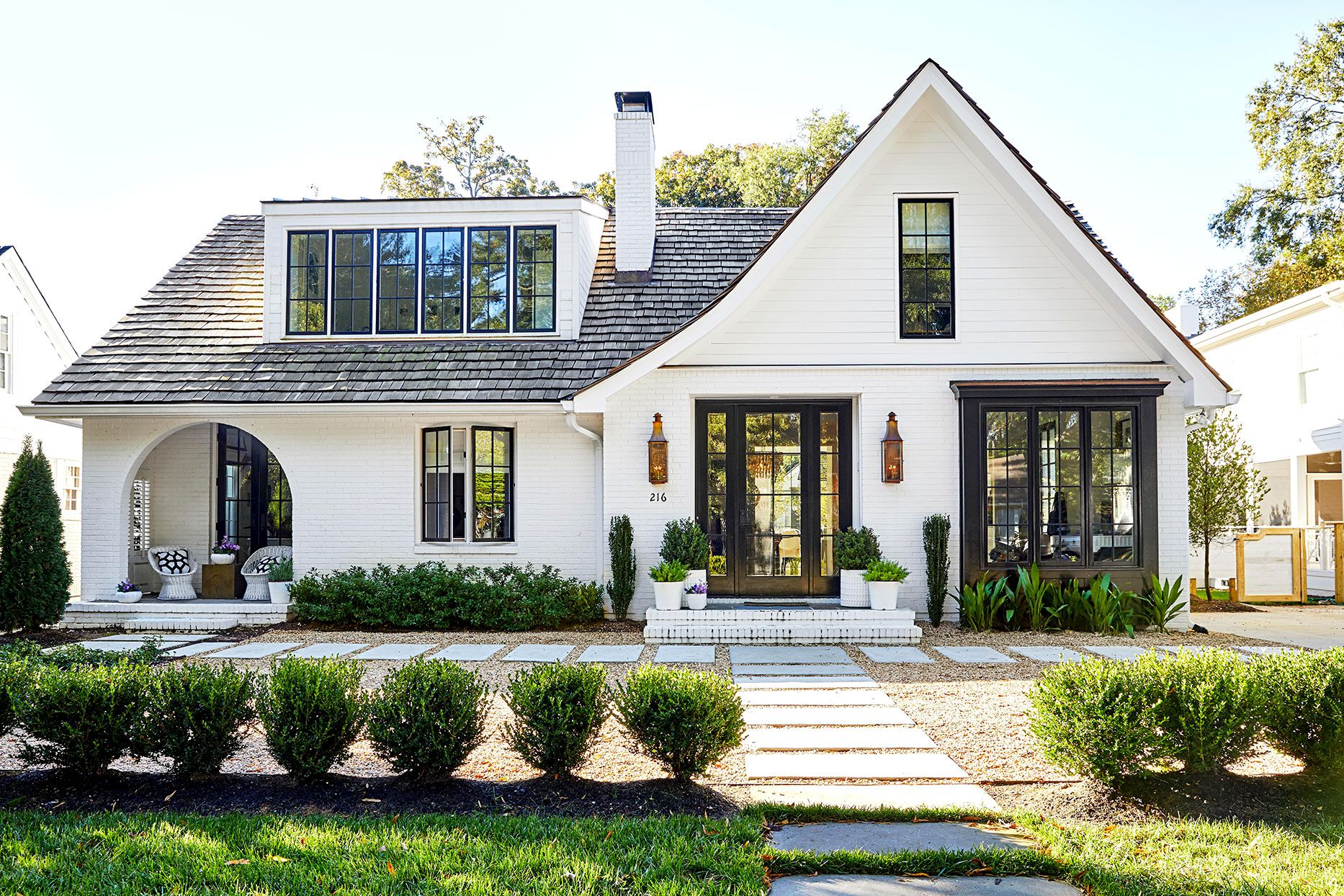
When homeowners plan a home exterior renovation, they often think about replacing one element at a time. A roof might get patched after storm damage. Windows may be swapped out years later for energy efficiency. Siding might be updated only when it starts to fade or crack. While this piecemeal approach can seem practical, it often leads to higher costs, mismatched materials, and missed opportunities for long-term performance.
Coordinating roofing, siding, and windows into a single exterior renovation plan creates a more durable, energy-efficient, and visually cohesive home. When these systems work together instead of independently, homeowners can protect their investment, reduce maintenance issues, and increase overall property value. Understanding how to properly plan and manage a coordinated home exterior renovation project is the key to getting the best possible results.
Your roof, siding, and windows are not separate features. They form a unified protective shell around your home. Each component plays a critical role in defending against moisture, air infiltration, temperature changes, and structural stress.
The roof serves as the primary barrier against rain, snow, and UV exposure. Siding protects the structural walls from moisture intrusion and helps regulate insulation performance. Windows provide natural light and ventilation, but also represent one of the most vulnerable areas for heat loss and water penetration.
According to the United States Department of Energy, air leaks around windows, siding gaps, and roofing penetrations can significantly increase heating and cooling costs. Studies suggest that air leakage can account for up to 30 percent of a home’s energy loss. When exterior systems are installed at different times without coordination, it becomes more likely that sealing details and transitions will not align properly, leading to inefficiencies.
By planning a unified renovation, contractors can ensure proper flashing integration, consistent insulation layers, and seamless weather barriers across the entire exterior envelope.
One of the most compelling reasons to combine exterior upgrades is cost efficiency. Homeowners often assume that completing projects separately spreads out expenses, but in reality, it frequently increases overall spending.
Labor costs are a major factor. Each project requires setup time, scaffolding, equipment rentals, and site preparation. Coordinating roofing, siding, and window replacements allows crews to complete all tasks during one mobilization period, reducing duplicated labor expenses.
Material waste is another consideration. When projects are separated by years, previously installed materials may need to be partially removed or modified to accommodate new work. For example, replacing windows after new siding has been installed can require cutting into the siding, adding trim adjustments, and re-sealing weather barriers.
Energy efficiency is one of the biggest advantages of coordinated exterior renovations. When roofing, siding, and windows are upgraded together, contractors can create a continuous insulation and air barrier system that significantly improves thermal performance.
Modern roofing systems include advanced underlayment materials that reduce heat transfer. High-quality siding can incorporate insulated backing panels that increase wall R value. Energy-efficient windows use low-emissivity coatings, multiple panes, and inert gas fills to reduce heat loss.
The Environmental Protection Agency’s ENERGY STAR program reports that replacing single pane windows with energy-efficient models can reduce household energy bills by up to 13 percent. Adding insulated siding and proper attic ventilation further amplifies these savings.
When upgrades are coordinated, contractors can align insulation strategies across all exterior components rather than addressing each area in isolation.
Water intrusion is one of the leading causes of structural damage in residential buildings. Moisture problems often occur at transition points where roofing meets siding or where windows intersect with wall systems.
Coordinated renovations allow contractors to implement a comprehensive moisture management strategy. This includes installing continuous weather-resistant barriers, properly layered flashing systems, and drainage planes that guide water away from vulnerable areas.
The Building Science Corporation emphasizes that integrated flashing and sealing systems are critical for preventing hidden moisture buildup, which can lead to mold growth, wood rot, and insulation deterioration.
When exterior components are upgraded at different times, older systems may not align with modern moisture protection techniques, increasing the risk of long term damage.
Beyond structural and energy benefits, coordinated exterior renovations dramatically improve visual appeal. A home with a new roof but faded siding or outdated windows can look incomplete. Mismatched materials and colors can detract from the overall aesthetic.
Coordinating upgrades allows homeowners to choose complementary styles, colors, and finishes that create a unified exterior design. Modern roofing materials can be selected to harmonize with siding tones and window trim details.
According to Remodeling Magazine’s Cost vs Value Report, exterior replacement projects consistently deliver some of the highest returns on investment among home improvements. Siding replacement, window upgrades, and roofing projects each recoup a substantial portion of their costs at resale. When completed together, they can significantly boost perceived property value and buyer confidence.
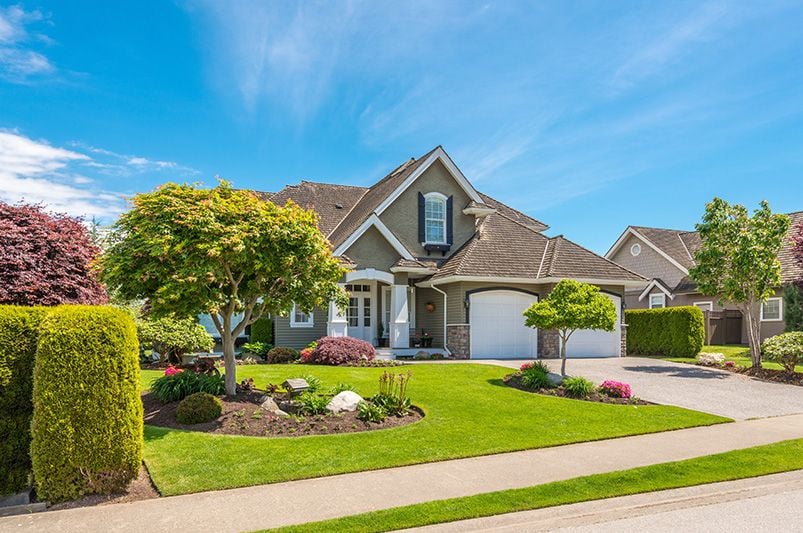
Successful exterior renovations begin with careful planning. Homeowners should start by evaluating the current condition of each exterior component. A professional inspection can identify issues such as aging shingles, siding deterioration, air leaks, and window seal failures.
Once the assessment is complete, the next step is prioritizing goals. Some homeowners focus on energy efficiency, while others prioritize storm resistance or aesthetic improvements. Establishing clear objectives helps guide material selection and project timelines.
Budget planning is also essential. While coordinated renovations may require a larger upfront investment, financing options and phased payment structures can make the project manageable. Many contractors offer consultation services to help homeowners balance priorities within their budget.
Material selection plays a major role in the long-term performance of exterior renovations. Roofing materials such as asphalt shingles, metal roofing, and composite systems offer different durability levels and aesthetic styles. Siding options range from vinyl and fiber cement to engineered wood products. Window materials include vinyl, fiberglass, and wood-clad frames.
Selecting materials that are compatible with one another ensures consistent expansion rates, weather resistance, and maintenance requirements. For example, fiber cement siding pairs well with high-durability roofing systems due to similar longevity expectations.
Professional contractors can help homeowners understand how different materials perform in specific climates, particularly in regions that experience heavy rain, strong winds, or temperature extremes.
Coordinating multiple exterior upgrades requires careful scheduling. Roofing work typically occurs first, followed by siding installation and window replacement. This sequence ensures that flashing and sealing systems are layered correctly to direct water away from the structure.
Weather conditions also play a role in scheduling. Exterior projects should ideally be completed during seasons with moderate temperatures and lower precipitation levels to ensure proper material curing and installation quality.
Working with a contractor that specializes in comprehensive exterior renovations can streamline scheduling and reduce project delays.
While some homeowners consider managing multiple contractors independently, this approach often leads to communication gaps, scheduling conflicts, and inconsistent workmanship.
A single contractor who oversees roofing, siding, and window installation can coordinate all aspects of the project. This unified approach ensures that crews follow consistent installation standards and that all exterior components integrate seamlessly.
Professional coordination also simplifies warranty coverage. When one company handles the entire project, homeowners have a single point of contact for maintenance, repairs, and future service needs.
Coordinated exterior renovations make ongoing maintenance easier. When materials are installed at the same time, they typically have similar lifespans, allowing homeowners to plan future upkeep more effectively.
Consistent installation techniques also reduce the likelihood of isolated problem areas that require frequent repairs. Properly sealed transitions between roofing, siding, and windows help maintain long-term structural integrity.
Routine inspections and maintenance can further extend the life of exterior systems, protecting the homeowner’s investment for decades.
Modern exterior renovation materials often incorporate sustainable manufacturing practices and energy-saving technologies. Coordinating upgrades allows homeowners to maximize environmental benefits by improving insulation, reducing energy consumption, and minimizing material waste.
The Department of Energy notes that energy-efficient home improvements play a significant role in reducing residential carbon emissions. By upgrading multiple exterior components at once, homeowners can achieve greater environmental impact compared to isolated improvements.
Coordinating roofing, siding, and window upgrades is one of the most effective ways to enhance a home’s durability, efficiency, and visual appeal. Rather than treating these systems as separate projects, a unified renovation approach ensures that all exterior components work together to protect the home and maximize long-term value.
From reducing energy costs and preventing moisture damage to improving curb appeal and simplifying maintenance, the benefits of coordinated exterior renovations are substantial. Homeowners who invest in comprehensive planning and professional coordination can enjoy lasting performance and peace of mind.If you are considering an exterior renovation, the best first step is to consult with experienced professionals who can evaluate your home’s needs and develop a customized plan. Schedule a free estimate now.
Further Reading:

Read the latest articles about roofing.