Published on: October 06, 2026
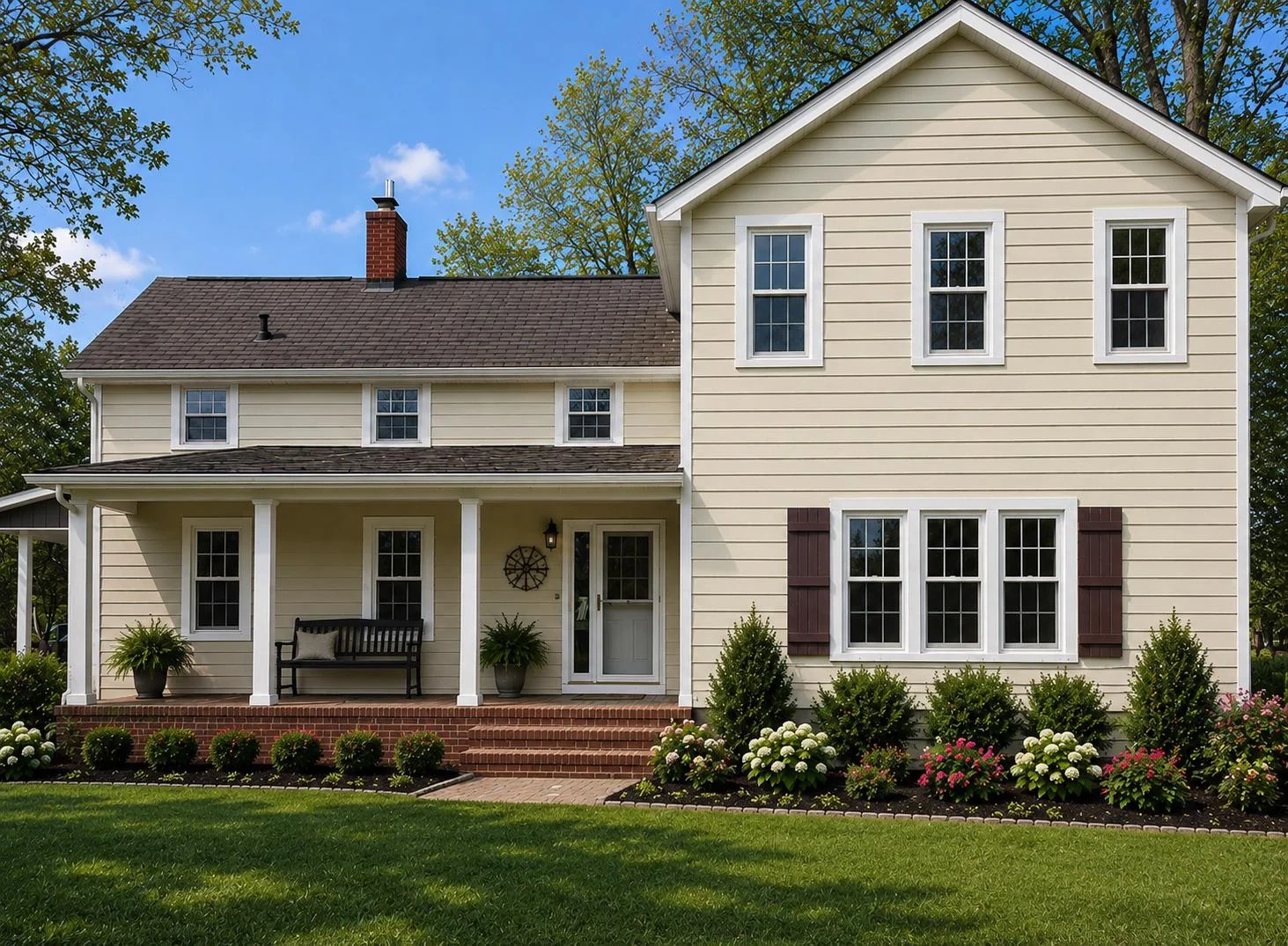
Old siding can make a home look faded, worn, or outdated, but the visible surface is only part of the story. In many cases, the more important problems are developing underneath it, hidden behind panels, boards, trim, and exterior finishes that homeowners rarely have a reason to remove.
Moisture intrusion, damaged house wrap, deteriorating sheathing, insect activity, and hidden wood rot can all develop behind aging siding without immediately producing obvious symptoms inside or outside the home. By the time damage becomes visible, the affected area may have been exposed to moisture for months or even years.
This is particularly important in Washington, where frequent rainfall and seasonal moisture place constant pressure on exterior wall systems. Siding is designed to protect the home, but it works together with flashing, sheathing, insulation, drainage layers, and weather-resistant barriers. When one part of that system begins to fail, problems can spread beyond the siding itself.
Understanding what may be happening behind old siding can help homeowners recognize warning signs earlier and make better decisions about repairs or replacement.
One of the most common problems behind aging siding is moisture intrusion.
Water does not always enter through a large crack or obvious opening. It can move through small gaps around windows, doors, trim, exterior penetrations, siding joints, or areas where flashing has deteriorated.
Once water gets behind the siding, it may reach the sheathing or framing underneath. If those materials remain damp and cannot dry properly, deterioration can begin even while the exterior still appears relatively normal.
The U.S. Environmental Protection Agency emphasizes that controlling moisture is one of the most important steps in preventing mold and other moisture-related problems inside buildings.
In older homes, the original moisture-management system may also be significantly different from what is commonly installed today. House wrap may be damaged, incomplete, or missing in certain areas, while older flashing details may no longer provide reliable protection.
Common places for hidden moisture entry include:
Because these locations are usually covered by trim and siding, deterioration can progress without attracting much attention.
Behind most siding systems is a structural layer known as exterior sheathing. Depending on the age and construction of the home, this may consist of plywood, oriented strand board, or another building material.
Sheathing provides support for the exterior wall and creates an important surface for the weather-resistant barrier and siding system.
When water repeatedly reaches the sheathing, however, the material can begin to swell, soften, or deteriorate.
This type of damage is difficult to evaluate without removing at least part of the siding. A wall can appear reasonably solid from the interior while the exterior side of the sheathing is already showing significant deterioration.
Possible warning signs include siding that feels unusually loose, areas that appear wavy or uneven, recurring moisture stains, or sections where fasteners no longer seem to hold securely.
In severe cases, deteriorated sheathing must be removed and replaced before new siding can be installed.
This is one reason siding replacement should involve more than covering the home with a new exterior material. Removing old siding creates an opportunity to inspect the condition of the wall underneath and correct damage before it becomes hidden again.
Most modern siding systems include a weather-resistant barrier between the siding and exterior sheathing.
Often referred to as house wrap, this layer provides a secondary line of protection when water gets behind the exterior finish. It helps prevent moisture from reaching vulnerable wall materials while directing water downward and toward the exterior.
Over time, however, this protective layer can become damaged.
Tears, missing sections, poorly sealed penetrations, incorrect overlaps, and deteriorated flashing connections can all create pathways for moisture.
Some older homes may also have materials that no longer perform as effectively as newer weather-resistant systems.
The problem is that homeowners cannot normally see any of this without removing the siding.
When siding replacement begins, contractors may discover:
These discoveries can affect the scope of the project, but addressing them before the new siding goes on is much better than leaving hidden weaknesses in place.
Proper moisture protection is particularly important around windows and doors, where multiple building materials and drainage paths come together. Our guide to bathroom and kitchen windows discusses why proper installation and ventilation matter in areas that experience higher moisture levels.
Mold and wood rot are among the most concerning hidden problems because they may develop slowly and remain concealed behind siding.
When moisture repeatedly reaches organic building materials such as wood framing or sheathing, conditions can become favorable for biological growth and decay.
The siding itself may not show dramatic damage at first.
A homeowner may notice only a slightly musty smell indoors, peeling paint around a window, or a recurring stain that seems unrelated to the exterior.
Other possible signs include:
These symptoms do not always mean mold or rot is present, but they can indicate that moisture is reaching areas where it should not.
The EPA advises that moisture problems must be corrected when mold is discovered because cleaning the visible growth alone will not prevent it from returning if the water source remains.
For homeowners concerned about concealed moisture, our article on hidden mold behind siding explains why proper drainage and siding installation are critical to prevention.
Many hidden siding problems begin around openings in the exterior wall.
Windows and doors interrupt the siding, sheathing, and weather-resistant barrier, which means they require properly layered flashing to keep water moving toward the exterior.
When flashing deteriorates or was installed incorrectly, water can travel behind the siding instead.
According to guidance from the U.S. Department of Energy, window performance depends not only on the window itself but also on proper installation, air sealing, and integration with the surrounding wall.
Older homes may have windows that were installed before current flashing practices became common, while replacement windows may sometimes have been added without fully integrating them into the original drainage system.
Warning signs around windows can include:
Exterior caulk can help seal joints, but it should not be the only line of protection against moisture.
A properly constructed wall should still direct water outward if small amounts of moisture get behind the outer siding layer.
Homeowners sometimes expect siding replacement to involve removing old panels and immediately installing new ones.
In reality, the condition of the wall underneath cannot always be fully known until the old material comes off.
Contractors may uncover relatively minor issues, such as small areas of damaged house wrap, or more extensive problems involving sheathing, framing, flashing, or insulation.
Common discoveries include:
These findings can add work to the project, but repairing them before installing new siding protects the investment in the new exterior.
Covering damaged materials without correcting the underlying issue can allow the problem to continue out of sight.
This is especially important when upgrading to durable materials such as fiber cement siding. Homeowners comparing exterior options can read more about different products in our guide to fiber cement siding brands.
A high-quality siding product performs best when it is installed over a sound, properly protected wall assembly.
Not every older exterior needs immediate replacement, but certain warning signs deserve attention.
Visible siding damage is usually the easiest indicator. Cracked, warped, loose, swollen, or rotting material can allow more water to reach the layers underneath.
Repeated maintenance problems can also signal that the siding is reaching the end of its useful life.
Homeowners should consider a professional inspection when they notice:
Problems concentrated in one area may sometimes be repairable without replacing the entire exterior.
However, widespread deterioration can indicate that the siding and moisture-management system are no longer providing reliable protection.
The age of the material also matters. Different siding products have different expected lifespans, and exposure to heavy moisture, poor installation, or limited maintenance can shorten them considerably.
One of the biggest advantages of a full siding replacement is the opportunity to inspect the exterior wall from the outside.
Once the old material is removed, contractors can evaluate the sheathing, house wrap, flashing, trim connections, and other components that normally remain hidden.
Damaged areas can then be repaired before the new exterior system is installed.
A thorough siding replacement may include:
This approach provides much better long-term protection than simply focusing on appearance.
New siding can dramatically improve curb appeal, but its more important role is protecting the building envelope from weather.
For Washington homeowners, where rain and moisture are constant considerations, proper installation is especially important.
Working with experienced exterior contractors also makes it easier to coordinate related improvements. Homeowners planning windows and siding together can learn more about that approach in our article on window and siding contractors in Auburn.
Old siding can reveal obvious problems such as fading, cracking, or warping, but the most expensive damage is often the damage homeowners cannot see.
Moisture can reach sheathing, framing, insulation, and weather barriers long before visible exterior deterioration becomes severe.
The best way to reduce that risk is to maintain siding, flashing, windows, gutters, and exterior penetrations before small problems become larger ones. When siding reaches the end of its service life, replacement also creates an important opportunity to inspect and repair the hidden wall assembly.
For Washington homes, good moisture management is essential. Siding should not only improve appearance but also work with flashing, weather-resistant barriers, and drainage details to keep water moving away from vulnerable materials.
At 2FL Windows, Siding and Roofing, siding projects are approached as complete exterior systems rather than simple surface replacements. Careful preparation and proper installation help protect both the visible siding and the wall behind it.
If your siding is aging, damaged, or showing signs of moisture problems, contact 2FL Windows, Siding and Roofing to schedule a free estimate and learn what may be happening behind your home’s exterior.
Further Reading:

Read the latest articles about roofing.