Published on: February 06, 2026
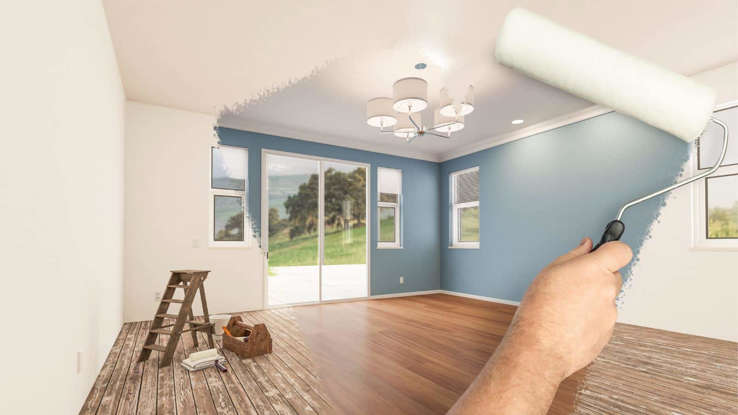
Scroll through social media or turn on a home renovation show, and it is easy to believe that cheap home upgrades can deliver dramatic transformations overnight, even on a tight budget. Fresh siding, new windows, and a brand new roof often look flawless under studio lights and perfectly timed reveals. But what you do not see on camera is how those budget upgrades perform six months later when rain is driving sideways, temperatures swing wildly, or wind storms put materials to the test.
Homeowners across Washington State and beyond are learning the hard way that cheap home upgrades often prioritize appearance over performance. While they may photograph well, they frequently fail in real weather conditions, leading to higher repair costs, reduced comfort, and long-term damage to the home. Understanding why this happens can help you make smarter decisions for your property and your investment.
Television and online renovation content is designed to entertain and inspire. Production schedules are tight, budgets are often sponsored, and the goal is visual impact rather than long-term durability. Materials are selected for how they look when installed, not how they will age after years of exposure to moisture, UV radiation, and temperature changes.
Lighting plays a significant role in this illusion. Bright, even lighting hides surface imperfections, while strategic camera angles minimize visible seams or misalignments. In reality, siding that looks smooth on screen may warp under heat, and roofing materials that appear uniform may lack the structural integrity needed to withstand wind uplift or heavy rain. According to the National Association of Home Builders, product performance over time is one of the most overlooked factors in homeowner decision-making, especially when visual appeal dominates the conversation.
Real weather is unforgiving. Rain finds weak points. Wind exploits poor installation. Sun exposure degrades low-quality materials faster than most homeowners expect. In regions like the Pacific Northwest, where moisture, wind, and temperature fluctuations are common, exterior materials must meet higher standards to perform reliably.
Cheap upgrades often rely on thinner materials, lower-grade fasteners, and shortcuts during installation. These compromises might not show up immediately, but they become obvious when weather conditions stress the exterior of the home. The Federal Emergency Management Agency has repeatedly emphasized that material quality and proper installation are critical to resisting weather-related damage.
Low-cost siding products often use thinner vinyl or composite materials that lack rigidity. While they may look crisp when first installed, they can buckle, crack, or pull away from the home when exposed to moisture and temperature changes. Poorly manufactured siding may also have weaker locking mechanisms, allowing wind-driven rain to penetrate behind the panels.
Once moisture gets behind siding, it can lead to mold growth, wood rot, and insulation damage. These issues are rarely visible until they become severe, which is why homeowners are often surprised by the extent of damage hiding behind what still looks like decent siding from the street. The Environmental Protection Agency notes that moisture intrusion is one of the leading causes of indoor air quality issues and structural deterioration.
A roof is one of the most critical components of your home’s exterior defense system. Budget roofing jobs may use lower-grade shingles, fewer nails per shingle, or improper underlayment. These shortcuts can save money upfront but significantly reduce the roof’s ability to withstand wind uplift and water infiltration.
On camera, a roof replacement looks straightforward. Old shingles come off, new ones go on, and the house suddenly looks refreshed. What is not shown is whether flashing was replaced, ventilation was properly addressed, or manufacturer installation guidelines were followed. The Asphalt Roofing Manufacturers Association emphasizes that even high-quality shingles can fail prematurely if they are not installed according to specifications.
Windows are another area where cheap upgrades often fall short. Low-cost window units may have weaker seals, less efficient glazing, and frames that warp over time. Initially, they may look modern and clean, especially on camera, but real weather quickly reveals their limitations.
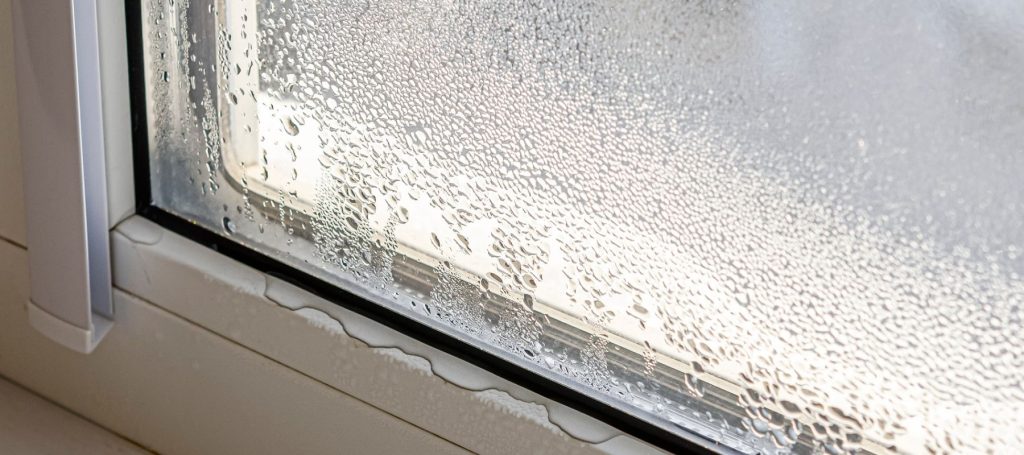
Poor window performance leads to drafts, condensation, and higher energy bills. Water intrusion around window frames can also cause damage to surrounding walls and trim. According to the Department of Energy, high-performance windows play a major role in maintaining indoor comfort and reducing energy loss.
Even quality materials can fail if they are installed improperly, but cheap upgrades often combine low-quality products with rushed installation. In televised or viral renovation projects, speed is part of the appeal. In real life, that speed often translates to skipped steps, inadequate flashing, and improper sealing.
Professional installation takes time because it accounts for local climate conditions, building codes, and manufacturer requirements. When these factors are ignored, the result is an exterior that may look fine initially but degrades quickly. The International Code Council highlights that code-compliant installation is essential for ensuring safety and durability in residential construction.
Weather acts as a stress test for your home. Heavy rain tests water resistance. Wind tests fastening systems. Heat and cold test material expansion and contraction. Cheap upgrades are often designed to meet minimum standards rather than exceed them, leaving little margin for error.
In contrast, professionally installed, higher-quality materials are engineered to handle these stresses over decades. They may not look dramatically different on day one, but their performance over time is what protects your home and your budget.
One of the biggest misconceptions about cheap home upgrades is that they save money. While the upfront cost is lower, the long-term expenses often outweigh those initial savings. Frequent repairs, premature replacements, and damage to underlying structures add up quickly.
Insurance claims related to water damage and wind damage are among the most common and costly for homeowners. Many of these claims could be reduced or avoided with better material choices and professional installation. The Insurance Information Institute notes that preventative investments in home durability can significantly reduce loss severity.
A home upgrade should be evaluated by how it performs, not just how it looks on reveal day. Quality siding, roofing, and windows are designed to work together as a system, protecting your home from the elements while improving energy efficiency and comfort.
When you work with experienced professionals, the focus shifts from short-term aesthetics to long term value. Material selection is based on climate suitability, manufacturer warranties, and proven performance. Installation follows best practices that ensure your home stands up to real weather, not just camera lights.
Reputable contractors understand that your home is not a set piece. It is a long-term investment that must endure decades of environmental exposure. Professionals take the time to evaluate your existing structure, identify potential problem areas, and recommend solutions that make sense for your specific needs.
They also stand behind their work, offering warranties and ongoing support. This accountability is rarely present in bargain upgrades or rushed renovations. According to the Better Business Bureau, hiring licensed and experienced contractors significantly reduces the risk of costly post-installation issues.
When you choose quality over cheap fixes, you are investing in peace of mind. You can trust that your home will remain dry during heavy rain, stable during high winds, and comfortable throughout the year. You avoid the stress of repeated repairs and the disappointment of upgrades that fail too soon.
While social media trends and renovation shows can be inspiring, they should not be the blueprint for decisions that affect your home’s safety and longevity. Real weather does not care how good something looks on camera.
If you are considering exterior upgrades, now is the time to focus on solutions that perform as well as they look. The team at 2FL Windows, Siding and Roofing specializes in high-quality windows, siding, roofing, and exterior improvements designed to withstand real-world weather conditions.
Schedule a free estimate today to learn more about your project and explore options that protect your home for the long haul.
Further Reading:

Read the latest articles about roofing.