Published on: November 03, 2026
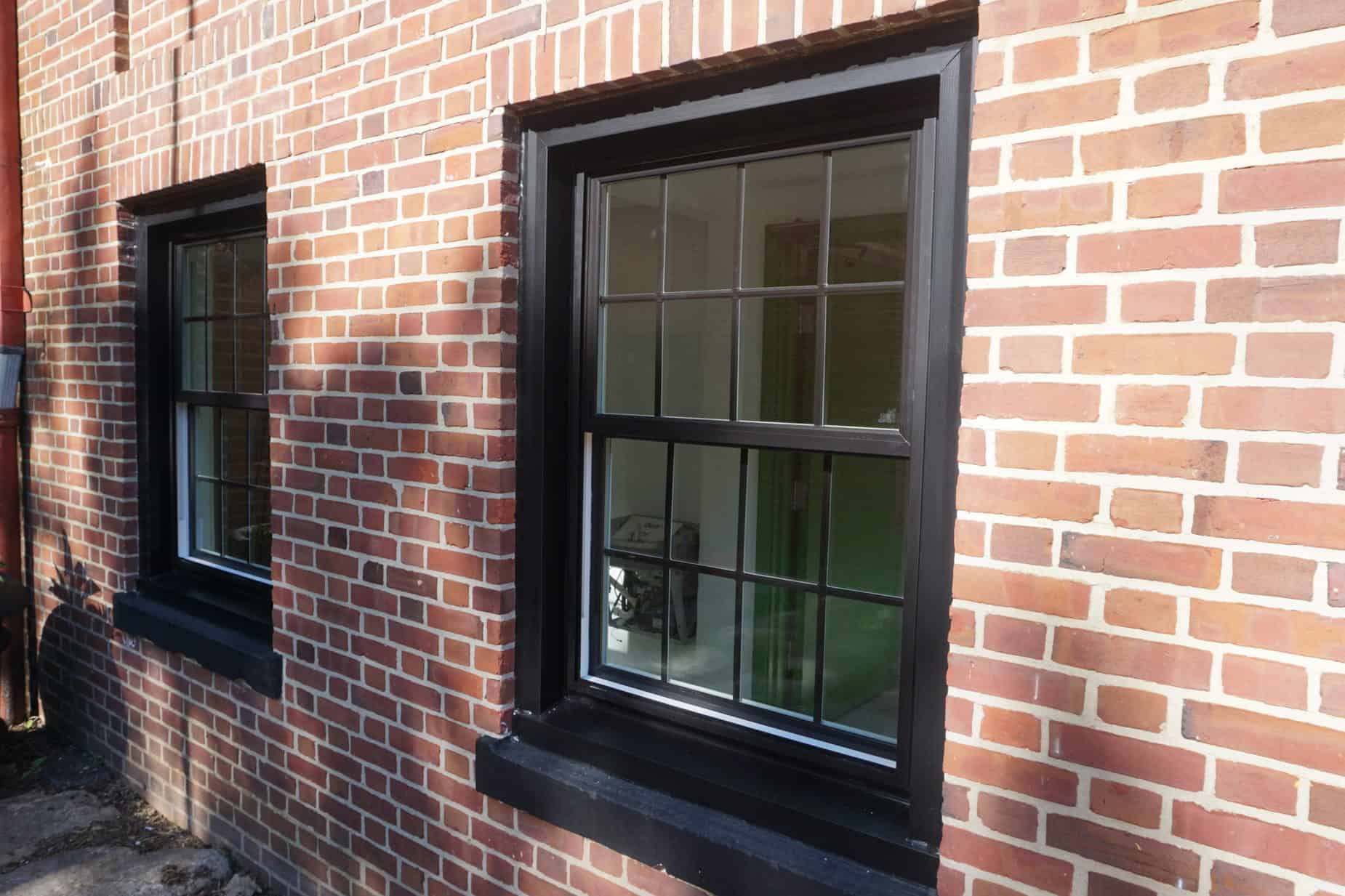
Older home window replacement can appear straightforward from the outside. The existing window comes out, the new one goes in, and the surrounding trim is restored. In reality, older homes often reveal conditions that cannot be fully evaluated until the original window, trim, or surrounding materials are removed.
Contractors may discover hidden water damage, deteriorated framing, missing insulation, outdated flashing, uneven openings, old repairs, or construction methods that differ significantly from modern standards. None of these issues automatically mean the project will become complicated, but they can affect how the new window needs to be installed.
For homeowners in Washington, moisture-related discoveries are particularly important. Decades of rain exposure can affect the wall around a window even when the visible frame still looks reasonably good.
Understanding what contractors commonly find during window replacement can help homeowners prepare for the project and understand why replacing an older window sometimes involves more than simply installing a new unit.
One of the most common discoveries during window replacement is moisture damage that was not visible before the old window was removed.
Windows interrupt the exterior wall system, which makes them particularly vulnerable areas for water intrusion. If flashing was missing, deteriorated, or improperly installed, rainwater may have reached the sheathing or framing around the opening over many years.
Homeowners may have noticed no obvious leak inside the house because water can travel behind siding, trim, or wall materials without reaching the visible interior surface.
Once the old window and exterior trim are removed, contractors may find:
The U.S. Environmental Protection Agency emphasizes that moisture control is one of the most important steps in preventing mold and moisture-related damage. When damp materials are discovered during window replacement, the source of the moisture should be corrected before the new window covers the opening again.
This is also why repeatedly applying new caulk around an old window does not always solve a persistent moisture problem. If water is entering behind the exterior surface, the underlying flashing and drainage details may need attention.
Older homes frequently settle and move slightly over time.
As a result, an opening that was reasonably square when the house was constructed may no longer have perfectly level or parallel sides. Framing practices were also different decades ago, and some older window openings were built to dimensions that do not match today’s standard replacement products.
Contractors may discover that the rough opening is:
Small irregularities can usually be corrected during installation with proper shimming and preparation.
Larger problems may require framing adjustments before the replacement window can be installed securely.
The U.S. Department of Energy recommends carefully evaluating existing window conditions and surrounding openings before replacement. This preparation helps ensure that the new window operates correctly and maintains an even seal around the frame.
Older windows were not always installed with the air-sealing and insulation techniques commonly used today.
Once interior trim is removed, contractors may discover large gaps between the window frame and the surrounding wall. In some older homes, these cavities contain little or no insulation.
Other openings may have older insulation that has settled, deteriorated, or been disturbed during previous repairs.
These gaps can contribute to:
Older home window replacement creates an opportunity to improve these areas while the opening is accessible.
Proper insulation and air sealing around the frame can help reduce unwanted air movement and improve overall comfort. Even a high-performance replacement window cannot provide its full benefit if significant air can move through gaps between the frame and wall.
Homeowners considering whether their current windows are still worth keeping can also review our guide to old windows and when to replace them for additional warning signs.

Window flashing practices have changed considerably over time.
Some older windows may have limited flashing, while others rely heavily on exterior trim and caulk to keep rain out. Previous replacement projects may also have added newer windows without properly integrating them into the home’s existing drainage system.
Once the old window is removed, contractors can inspect how water has historically been managed around the opening.
Proper flashing is important because windows interrupt the wall’s water-control layer. The U.S. Department of Energy explains that proper installation and sealing are essential to window performance, especially where the window connects with the surrounding wall.
In an older home, contractors may discover:
Correcting these problems while the opening is exposed can provide better long-term protection than simply installing the new window into the same old configuration.
This is particularly important in Washington, where frequent rainfall makes reliable drainage around windows a major part of exterior performance.
Water is not the only reason the materials around an older window can deteriorate.
Long-term condensation, repeated temperature changes, previous repairs, insect activity, and natural aging can all affect framing and sheathing.
The window sill area is especially vulnerable because water tends to collect at the bottom of an opening when drainage details are inadequate.
Small areas of deterioration can often be repaired relatively easily once the window is removed. More extensive damage may require sections of sheathing or framing to be replaced before the new unit can be installed.
This work is important because a replacement window needs a solid opening for fastening, flashing, and sealing.
Installing a new window over soft or deteriorated materials may create future movement, water intrusion, or difficulty maintaining a reliable seal.
Homeowners sometimes discover similar hidden problems when replacing siding. Our article about what happens behind old siding explains why exterior remodeling often reveals conditions that were impossible to see before materials were removed.
When windows and siding are both aging, coordinating the projects can provide better access to the complete wall assembly and make it easier to correct hidden problems at the same time.
Older houses can include construction materials that are less common in modern homes.
For example, window openings may contain traditional plaster instead of drywall, solid wood trim that homeowners want to preserve, sash-weight cavities, or framing arrangements that require more careful removal.
Homes built before 1978 may also contain lead-based paint around older painted window frames and trim.
The U.S. Environmental Protection Agency provides guidance for homeowners renovating older properties where lead-based paint may be present.
This does not mean every older window project will involve hazardous materials, but the age of the home should be considered before demolition begins.
Contractors working on older properties may need to take additional steps to protect the interior, control dust, remove materials carefully, and preserve trim or architectural details.
These considerations can also influence whether homeowners choose full-frame replacement or another installation method.
Older homes often tell their renovation history once the trim comes off.
Contractors may find layers of old caulk, added flashing, patched framing, replacement trim, foam insulation, or previous attempts to stop leaks.
Some repairs may have worked well. Others may have addressed only the visible symptom rather than the original cause.
A heavily caulked window, for example, may indicate that homeowners repeatedly tried to stop rain or drafts around the opening.
Similarly, patched wood near the sill may suggest that moisture has affected the area before.
These discoveries do not necessarily mean major repairs are needed, but they help contractors understand how the opening has performed over time.
They can also reveal whether the new window should be installed differently.
When replacing older windows, it is usually better to correct the underlying problem while the wall is accessible rather than recreate the same conditions around the new unit.
Homeowners who are considering replacing windows together with their exterior siding can learn more in our guide to window and siding contractors in Auburn, where we explain why coordinating exterior improvements can simplify moisture protection and installation.
The unexpected conditions found around older windows are not necessarily bad news.
Window replacement provides access to areas of the wall that homeowners normally never see. Once the original unit is removed, contractors can evaluate the rough opening and correct problems before installing the new window.
Depending on what is discovered, the work may include:
These improvements can help the new window perform more effectively than simply placing it into an opening that still contains old defects.
More efficient windows can also help reduce cold interior glass surfaces and improve comfort, although indoor humidity and ventilation still play important roles in condensation control.
The result is not only a new window, but potentially a better-performing section of the home’s exterior wall.
Older home window replacement often reveals more than homeowners expect, but most discoveries are manageable when they are identified and addressed correctly.
Hidden moisture damage, deteriorated framing, missing insulation, outdated flashing, uneven openings, and previous repairs are all relatively common conditions in homes that have been exposed to decades of weather and renovation.
The important part is not simply finding these problems. It is correcting them before the new window is permanently installed.
For Washington homes, particular attention should be given to flashing and moisture management. A replacement window should integrate with the surrounding siding and weather-resistant barrier so rainwater continues moving toward the exterior rather than into the wall.
At 2FL Windows, Siding and Roofing, window replacement is approached as more than removing one window and installing another. The condition of the opening, insulation, flashing, exterior materials, and surrounding wall all contribute to long-term performance.
If you are considering older home window replacement, contact 2FL Windows, Siding and Roofing to schedule a free estimate and evaluate the best approach for your home’s existing construction.
Further Reading:

Read the latest articles about roofing.