Published on: August 25, 2026
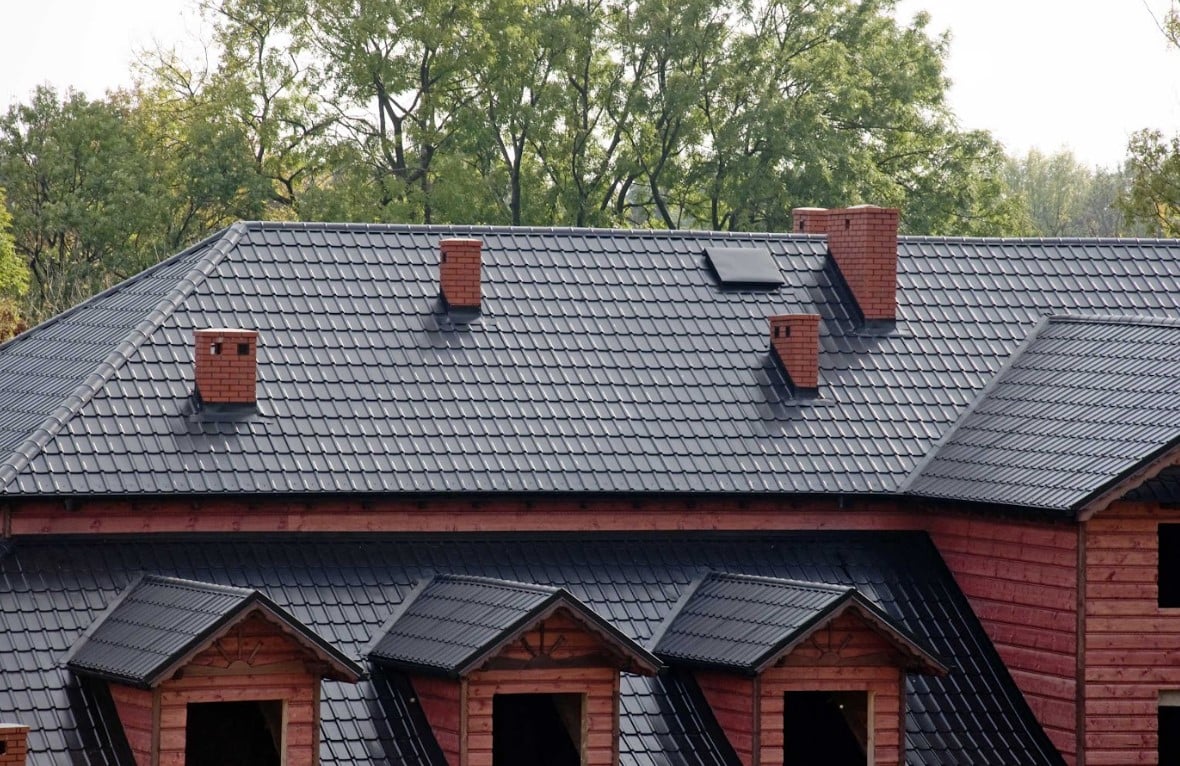
Choosing among popular roofing systems is an important decision because the roof is one of the most essential components of any building. Whether you own a home or manage a commercial property, your roofing system protects your investment, improves energy efficiency, and contributes to the overall appearance of the structure.
With so many roofing materials and systems available today, choosing the right option can feel overwhelming. Every roofing system offers unique advantages, costs, lifespans, and maintenance requirements. The best choice often depends on your property’s design, your budget, local weather conditions, and your long-term goals.
At 2FL Windows, Siding and Roofing, we help homeowners and business owners evaluate roofing options every day. In this guide, we will explore the most popular residential and commercial roofing systems, explain their benefits and drawbacks, and help you understand which solutions may be right for your project.
A roofing system is much more than the material you see from the street. It is a complete assembly that includes underlayment, flashing, ventilation components, insulation, and the exterior roofing material itself.
The right roofing system can provide:
Installation quality is just as important as the material you choose. Industry professionals consistently note that even premium roofing materials can underperform if flashing, ventilation, or installation techniques are not executed correctly.
Asphalt shingles remain the most popular residential roofing material in the United States. According to the National Roofing Contractors Association, asphalt shingles hold an overwhelming share of the steep-slope residential roofing market because they are affordable, versatile, and widely available.
There are several types of asphalt shingles available:
Architectural shingles have become particularly popular because they provide greater durability and a dimensional appearance that mimics more expensive roofing materials. Many architectural shingles can last 25 to 50 years when properly installed and maintained.
Benefits of asphalt shingles include:
For many homeowners, asphalt shingles provide the best balance of affordability, appearance, and long-term value.
Metal roofing has grown significantly in popularity over the last decade. Homeowners are increasingly attracted to its durability, energy efficiency, and modern appearance.
Common metal roofing materials include:
Standing seam metal roofing is particularly popular because its raised seams help protect against water infiltration while creating a clean, contemporary look. Metal roofs can often last 40 to 70 years or longer when properly installed.
Advantages of metal roofing include:
Although metal roofing generally requires a larger upfront investment than asphalt shingles, many homeowners appreciate the long-term durability and reduced maintenance requirements.
Clay tile roofing has been used for centuries and remains popular in certain architectural styles, particularly Mediterranean, Spanish, and Southwestern homes.
Clay tiles offer several significant benefits:
Many clay tile roofs can last more than 50 years, and some installations exceed 100 years with proper maintenance.
However, clay tiles are considerably heavier than asphalt shingles. Homes may require additional structural support before installation.
Concrete tile roofing delivers many of the same benefits as clay tile while often providing a more budget-friendly alternative.
Benefits include:
Concrete tiles are also extremely durable, but like clay tiles, they add substantial weight to the roof structure.
For homeowners seeking maximum longevity and a premium appearance, slate remains one of the most respected roofing materials available.
Natural slate offers:
In many historic homes, slate roofs have remained functional for generations. However, slate is among the most expensive roofing materials available and requires specialized installation expertise. It is also extremely heavy and may require structural reinforcement.
Some homeowners want the appearance of slate, wood shake, or tile without the associated weight and cost. Synthetic roofing materials have become increasingly popular for this reason.
These products can replicate the appearance of premium materials while offering:
Synthetic slate products, for example, can provide decades of performance while costing significantly less than natural slate.
Commercial roofing systems differ significantly from residential systems. Most commercial buildings feature flat or low-slope roofs, requiring specialized materials designed for water resistance and long-term performance.
Thermoplastic Polyolefin, commonly known as TPO, is currently one of the most widely used commercial roofing systems.
TPO is a single-ply membrane roofing system installed on flat and low-slope commercial roofs. It has become a dominant choice in new commercial construction because of its combination of durability, energy efficiency, and affordability.
Benefits of TPO roofing include:
Many commercial property owners appreciate TPO’s ability to reduce heat absorption and potentially lower cooling costs during warmer months.
EPDM, often called rubber roofing, has been used successfully on commercial buildings for more than 50 years.
This single-ply membrane system is known for:
EPDM performs particularly well in regions that experience significant temperature fluctuations because the material remains flexible and resistant to cracking.
Advantages include:
Many building owners continue to choose EPDM because of its proven reliability over decades of real-world use.
PVC roofing is another single-ply membrane system commonly used on commercial buildings.
PVC membranes are known for:
These systems are often selected for restaurants, manufacturing facilities, and buildings exposed to chemicals or grease because of their superior resistance to contaminants.
Modified bitumen roofing evolved from traditional asphalt-based roofing systems and remains a popular choice for commercial properties.
This system consists of multiple layers that create a durable waterproof barrier. It can be installed using torch-applied, cold-applied, or self-adhered methods.
Benefits include:
Modified bitumen is often selected for buildings that require enhanced durability and resistance to foot traffic.
Built-up roofing, often called BUR or tar-and-gravel roofing, has been used on commercial buildings for decades.
BUR systems consist of alternating layers of asphalt and reinforcing materials that create a thick, highly durable roofing assembly.
Advantages include:
Although newer membrane systems have gained popularity, built-up roofing remains a viable solution for many commercial applications.
Metal roofing is not limited to residential properties. Many warehouses, manufacturing facilities, churches, retail buildings, and agricultural structures utilize metal roofing systems.
Benefits include:
Metal roofing can be an excellent solution for commercial buildings that require long-term durability and minimal disruption over the life of the roof.
There is no universal roofing solution that works for every property.
For residential projects, homeowners often prioritize:
For commercial projects, building owners typically focus on:
The ideal roofing system depends on your property’s unique needs, local climate conditions, and long-term objectives.
No matter which roofing material you choose, installation quality plays a critical role in overall performance.
Proper installation affects:
A properly installed asphalt shingle roof can outperform a poorly installed premium roofing system. Likewise, even the highest-quality commercial membrane requires proper detailing, flashing, and drainage to perform as intended.
Working with experienced roofing professionals helps ensure your investment delivers the performance and protection you expect.
Whether you are considering asphalt shingles, metal roofing, tile roofing, TPO, EPDM, or another roofing system, the team at 2FL Windows, Siding and Roofing can help you evaluate your options and make an informed decision.
Our experienced professionals will assess your property, discuss your goals, explain available roofing systems, and provide expert recommendations tailored to your project.
Ready to learn more? Schedule your free estimate today. We look forward to helping you protect your home or commercial property with a roofing system built for long-term performance.
Further Reading:

Read the latest articles about roofing.