Published on: November 19, 2026
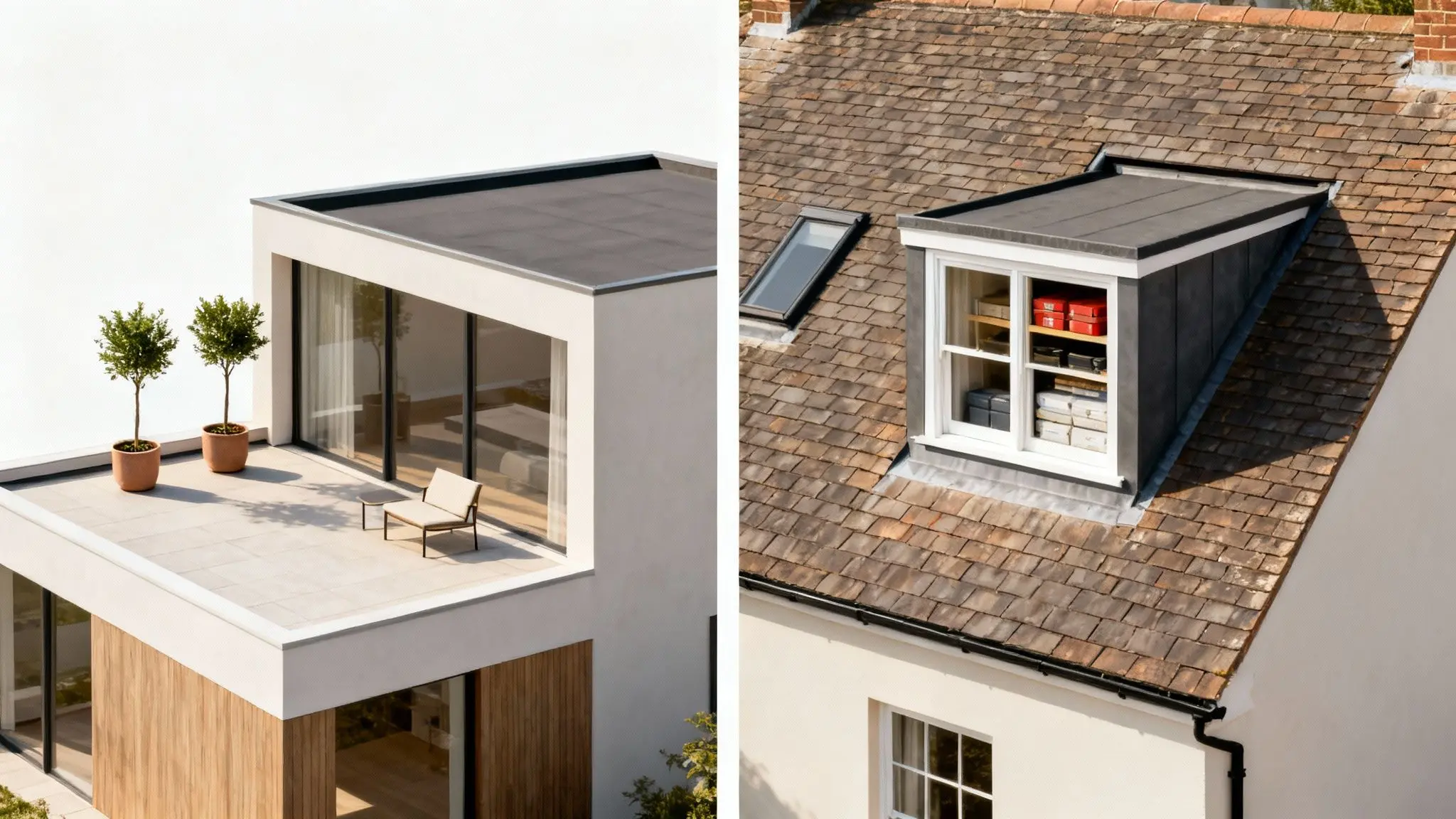
The flat roof vs pitched roof decision can affect much more than the appearance of your home. Roof shape influences drainage, maintenance, material options, attic space, energy performance, and how well the structure handles rain, wind, and seasonal weather.
For homeowners in Washington, this decision is especially important because roofing systems need to manage frequent rainfall and prolonged moisture exposure. A roof that looks attractive but does not drain effectively or is not installed correctly can eventually create leaks, damaged decking, insulation problems, and interior moisture issues.
Flat and pitched roofs can both perform well when they are properly designed and installed, but they have different strengths. The better option depends on the architecture of the home, local weather conditions, maintenance expectations, budget, and how the space beneath the roof will be used.
Understanding the differences can help homeowners make a more informed decision before starting a roof replacement or new construction project.
The most obvious difference is the angle.
A pitched roof has a noticeable slope that directs water and debris downward toward gutters, valleys, and drainage points. Common pitched roof styles include gable, hip, shed, and combination roofs.
A flat roof appears nearly level, although a properly designed flat roof still has a slight slope so that water can move toward drains or scuppers.
This difference in shape affects nearly every part of the roofing system.
Pitched roofs generally rely on overlapping roofing materials that shed water downward. Asphalt shingles, metal roofing, wood shakes, and some tile products are common examples.
Flat or low-slope roofs typically use continuous membranes or other systems designed to resist water even where drainage occurs more slowly.
The U.S. Department of Energy explains that roof design, materials, color, insulation, and solar exposure can all influence how much heat a roof absorbs and transfers into the building.
For homeowners, the decision is therefore not simply architectural. Roof shape influences how the entire home manages weather and energy.
One of the biggest advantages of a pitched roof is its ability to move water away from the structure quickly.
Gravity naturally directs rain toward the lower edges of the roof, where gutters and downspouts can carry it away from the home.
This is particularly valuable in the Pacific Northwest, where roofs may experience repeated rainfall over long periods.
A properly designed pitched roof can also shed leaves, branches, and other debris more easily than a nearly flat surface.
Common benefits of pitched roofs include:
Pitched roofs are also familiar to most residential roofing contractors, which can simplify maintenance and future repairs.
However, roof complexity matters. Valleys, dormers, skylights, chimneys, and multiple roof intersections can create areas where water concentrates and flashing becomes especially important.
Even a steeply pitched roof can leak if these transitions are not properly installed.
Homeowners comparing different roof materials can learn more in our guide to popular roofing systems, which covers several common residential and commercial options.
Flat roofs are often associated with commercial buildings, but they are also used on modern homes, additions, garages, porches, and contemporary architectural designs.
Their simple profile can create a clean appearance while allowing homeowners to use roof space differently.
Depending on the structure and engineering, flat roofs may accommodate:
Flat roofs can also work well on additions where a pitched roof would interfere with existing windows or create awkward rooflines.
The main challenge is drainage.
Because water moves more slowly across a low-slope surface, proper design is essential. Flat roofs need carefully positioned drains, scuppers, or gutters, along with enough slope to prevent water from remaining in one area.
The National Roofing Contractors Association provides technical resources for low-slope and steep-slope roofing systems, emphasizing that different roof types require different materials and installation methods.
A flat roof should never be treated as completely level. Even small drainage problems can lead to standing water, which places additional stress on the roof membrane and can increase the risk of leaks.
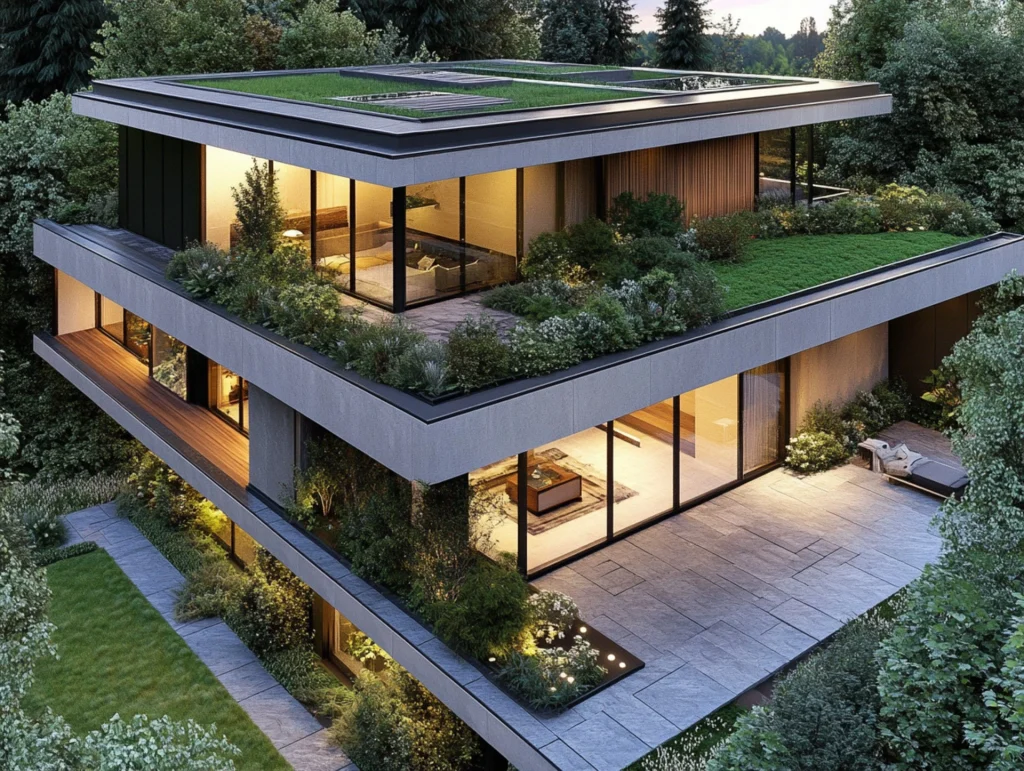
Both roof types require maintenance, but they tend to develop different problems.
Pitched roofs may experience missing shingles, lifted flashing, damaged ridge caps, clogged gutters, moss growth, or deterioration around roof penetrations.
Flat roofs require more attention to drainage areas because leaves and debris may remain on the surface rather than sliding off naturally.
Homeowners with flat roofs should pay particular attention to:
Standing water is one of the most important warning signs.
A small amount of water immediately after heavy rain may not indicate a major problem, but water that remains on the roof for extended periods should be investigated.
Pitched roofs generally require less frequent surface cleaning, but gutters and valleys still need regular maintenance.
The Federal Emergency Management Agency also recommends maintaining roof drainage systems and keeping gutters clear as part of protecting homes from water-related damage.
In Washington, both flat and pitched roofs should be inspected regularly because repeated exposure to moisture can turn small installation or maintenance issues into more expensive repairs.
Roof slope plays a major role in determining which materials can be installed.
Asphalt shingles remain one of the most common choices for pitched residential roofs because they are widely available, cost-effective, and offered in many styles.
Metal roofing can also work well on pitched roofs and is valued for durability and water shedding.
Flat roofs require materials that can provide continuous waterproof protection.
Common low-slope roofing systems include:
These systems create a membrane across the roof rather than relying primarily on overlapping shingles.
Using the wrong roofing product for the slope can lead to serious water-management problems.
A material designed to shed water quickly may not perform well on a surface where water moves slowly or temporarily collects.
This is why homeowners should evaluate the entire roof system rather than choosing a product based only on appearance.
Our roofing services include roofing solutions designed around the structure, drainage requirements, and weather exposure of the property rather than taking a one-size-fits-all approach.
Homeowners sometimes assume that one roof shape is automatically more energy-efficient than the other.
In reality, insulation, ventilation, roofing material, roof color, air sealing, solar exposure, and attic configuration all influence energy performance.
A pitched roof may provide space for an attic, creating room for insulation and ventilation between the roof deck and living space.
A flat roof often has a more compact assembly, which means insulation and air sealing need to be carefully incorporated into the roof structure.
According to the U.S. Department of Energy, proper insulation reduces heat flow through the building envelope and can improve both comfort and energy efficiency.
Ventilation also matters on many pitched roof assemblies because excess heat and moisture can accumulate in attic spaces.
Flat roofs require a different moisture-control strategy because their assemblies are often built with fewer open cavities.
Neither design automatically wins on energy performance. A well-insulated and properly constructed flat roof can perform very efficiently, just as a poorly insulated pitched roof can lose significant heat.
Installation quality and roof assembly design usually matter more than shape alone.
Washington’s climate places particular importance on drainage and moisture management.
Frequent rain means roofing systems need reliable flashing, properly functioning gutters or drains, and materials appropriate for the roof slope.
Pitched roofs have a natural advantage when it comes to quickly shedding rain.
This makes them a common choice for residential homes throughout the Pacific Northwest.
Flat roofs can also perform very well, but drainage design becomes even more important. Roof membranes, seams, penetrations, and drains must be carefully installed and maintained because water moves more slowly across the surface.
Moss and organic debris can also affect roofs in damp climates.
Trees surrounding the home may deposit leaves, needles, and branches onto the roof, while shaded areas can remain wet longer after rainfall.
When comparing flat roof vs pitched roof options, homeowners should consider the specific property rather than climate alone.
A simple flat roof with excellent drainage may perform better than a complicated pitched roof with multiple valleys and poor flashing.
Likewise, a properly installed pitched roof can provide decades of reliable performance when the material and design are appropriate for the home.
There is no single roof style that is better for every home.
A pitched roof may be the better fit when homeowners prioritize natural drainage, traditional residential appearance, attic space, and compatibility with common materials such as asphalt shingles or metal roofing.
A flat roof may make more sense for modern architecture, additions, space-efficient designs, or homes where rooftop equipment or usable roof space is part of the plan.
Before deciding, homeowners should consider:
The existing structure may also limit which option is practical. Changing from one roof type to another can require major structural modifications, so it is usually more economical to work with the home’s existing roof design unless a larger renovation is already planned.
A roofing contractor can evaluate slope, drainage, decking condition, flashing, ventilation, and material compatibility before recommending a system.
Flat and pitched roofs solve the same basic problem in different ways: protecting the home from weather.
Pitched roofs use slope to move water away quickly, while flat roofs depend more heavily on membrane systems and carefully designed drainage.
Both can provide reliable long-term performance when the structure, materials, flashing, insulation, and drainage are properly coordinated.
For Washington homeowners, moisture management should remain one of the most important considerations. A roof must be able to handle frequent rainfall without allowing water to reach the decking, insulation, or interior of the home.
At 2FL Windows, Siding and Roofing, roofing projects are evaluated as complete systems rather than simply replacing the visible roofing material. Proper drainage, flashing, ventilation, and installation all contribute to long-term roof performance.
If you are considering a roof replacement and are unsure which roofing system is best for your home, contact 2FL Windows, Siding and Roofing to schedule a free estimate and discuss the options for your property.
Further Reading:

Read the latest articles about roofing.