Published on: October 22, 2026
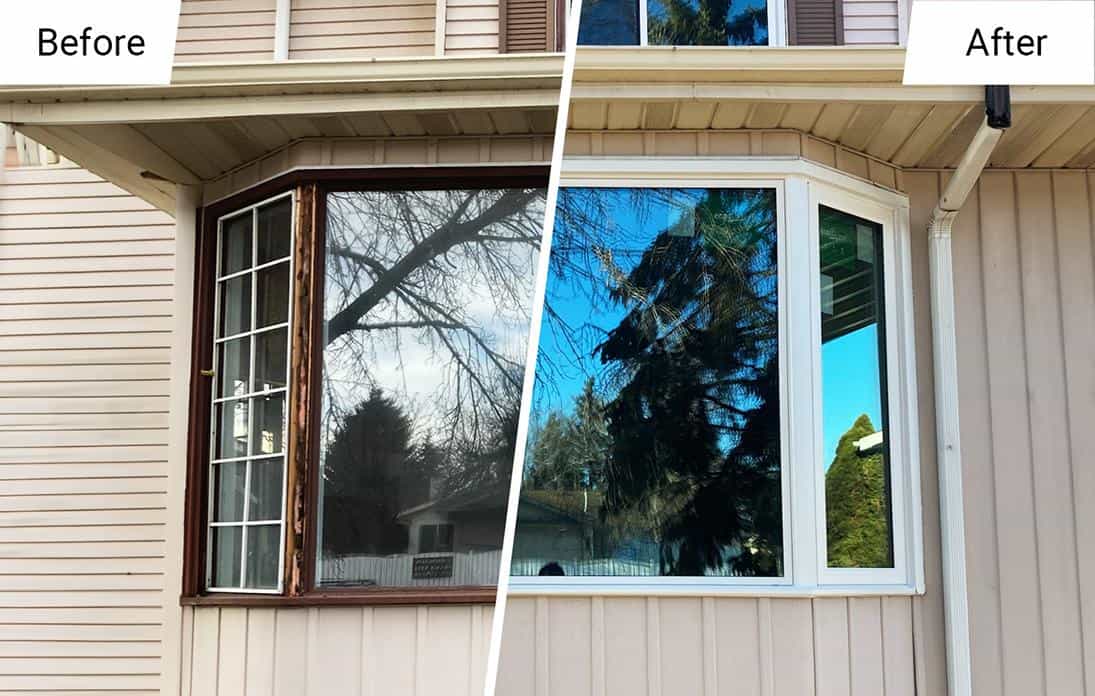
Deciding whether to replace old windows can be a difficult decision for homeowners, especially when they still open, close, and show no obvious signs of damage. They may still open and close, the glass may not be broken, and there may be no obvious leak, so replacing them can feel like a project that can safely wait another year.
In some homes, waiting is perfectly reasonable. In others, postponing replacement can mean another season of drafts, condensation, rising energy costs, moisture problems, and continued deterioration around the window opening.
The challenge is determining whether the windows are simply old or whether they are already beginning to affect comfort, energy efficiency, and the condition of the surrounding wall.
For homeowners in Washington, this decision can be especially important because windows are exposed to frequent rain, seasonal temperature changes, and long periods of moisture. A window that is beginning to fail may create problems that extend beyond the frame itself.
Understanding the warning signs can help you decide whether replacement should happen now or whether your existing windows can realistically perform for another year.
There is no single age at which every window needs to be replaced.
The lifespan of a window depends on the frame material, glass package, installation quality, exposure to weather, maintenance, and the conditions around the opening. Two windows installed at the same time can age very differently if one faces strong wind and rain while the other remains relatively protected.
This is why homeowners should evaluate performance rather than making the decision based only on age.
Older windows may still be serviceable when they:
However, an older window that requires repeated repairs or has several performance problems may already be costing more in comfort and maintenance than it appears.
The U.S. Department of Energy recommends evaluating existing windows based on factors such as air leakage, condition, and energy performance before deciding whether repair or replacement makes the most sense.
A professional inspection can also help distinguish between a window that needs only minor maintenance and one that has reached the point where replacement is the more practical long-term solution.
One of the first problems homeowners notice is usually a draft.
A room may feel noticeably colder near a window during winter, or warmer around the glass during sunny summer afternoons. Sometimes homeowners compensate by adjusting the thermostat even though the actual problem is air leakage around aging windows.
Drafts may come from several places, including deteriorated weatherstripping, failed seals, gaps between the frame and wall, or an older window design with limited thermal performance.
The Department of Energy notes that heat gain and heat loss through windows are responsible for a significant portion of residential heating and cooling energy use. Improving window performance can therefore help reduce unwanted temperature transfer and improve comfort.
Homeowners may also notice that certain rooms are consistently more difficult to heat or cool than the rest of the house.
If those rooms contain older windows, the windows may be contributing to the problem.
When homeowners replace old windows, modern insulated glass, improved frame systems, and better air-sealing technology can help create more stable interior temperatures and reduce drafts. Depending on the home and existing windows, upgrading can help create more stable interior temperatures and reduce drafts.
For homeowners already evaluating window upgrades in specific areas of the home, our guide to bathroom and kitchen windows explains how ventilation, efficiency, and moisture exposure can influence window selection.
Not all window condensation means the same thing.
Moisture on the interior surface of the glass may result from high indoor humidity, especially during colder weather. Bathrooms, kitchens, and poorly ventilated rooms are more likely to experience this type of condensation.
Condensation trapped between panes of glass is different.
When moisture appears inside a double- or triple-pane insulated glass unit, it usually means the seal around the glass has failed. Once that happens, the insulating space between the panes is no longer functioning as intended.
Homeowners may notice:
A failed insulated glass seal does not always mean the entire window needs immediate replacement, but multiple failed units can be a sign that the windows are reaching the end of their useful life.
Condensation around the frame or surrounding wall deserves additional attention.
Persistent moisture can damage paint, drywall, trim, and wood materials. The U.S. Environmental Protection Agency explains that moisture control is essential for preventing mold growth and related damage inside buildings.
If condensation is repeatedly affecting the wall around an old window, the cause should be investigated rather than treated as a cosmetic issue.
A slightly drafty window may sometimes survive another year. A leaking window deserves much faster attention.
Water intrusion can begin with surprisingly subtle signs.
Homeowners may see peeling paint near the sill, staining around the trim, swollen wood, soft drywall, or discoloration below the window. In other situations, there may be no obvious interior leak even though water is reaching the wall behind the siding.
Windows are complex openings in the building envelope because flashing, siding, house wrap, trim, and sealants all meet around the frame.
If those components fail to direct water toward the exterior, moisture can reach sheathing, insulation, and framing.
Possible warning signs include:
Simply applying another layer of caulk is not always an effective long-term repair.
If the underlying flashing or wall integration is incorrect, surface sealant may temporarily hide the symptom without fixing the path that water is using to enter the wall.
This is particularly important for Washington homeowners because frequent rain places greater demands on window flashing and exterior drainage systems.
Replacement does not always need to happen immediately.
If the windows remain structurally sound, are not leaking, and still provide acceptable comfort, homeowners may reasonably decide to postpone replacement while planning for a larger renovation.
Waiting can make sense when the primary issues are cosmetic or minor.
For example, older hardware may need adjustment, weatherstripping may need replacement, or exterior caulking may require routine maintenance.
Homeowners may also choose to delay window replacement when they are planning siding replacement in the near future.
Completing both projects together can simplify exterior construction because contractors have better access to the sheathing, weather-resistant barrier, and flashing around window openings.
This can be particularly valuable if the existing siding is also showing signs of age or moisture problems. Our guide to window and siding contractors in Auburn explains why many homeowners coordinate these exterior improvements rather than treating them as completely separate projects.
Waiting may be reasonable when:
The important distinction is between intentionally postponing a functioning window and ignoring a window that is clearly failing.
There is usually less benefit to waiting when several performance problems are already occurring at the same time.
A window that leaks, no longer operates correctly, has deteriorated framing, and produces noticeable drafts is unlikely to improve during another year of weather exposure.
Replacement may make more sense now when homeowners are experiencing:
Safety can also be a factor.
Windows that no longer remain open, do not lock correctly, or cannot be operated when needed may create practical concerns, particularly in bedrooms or other rooms where windows may serve as emergency escape openings.
Homeowners should also consider how much money they are continuing to spend on temporary repairs.
Replacing weatherstripping or completing occasional maintenance may be worthwhile. Repeatedly repairing deteriorated frames, failed seals, damaged trim, and ongoing water problems may simply delay an expense that is becoming unavoidable.
In those cases, replacement allows the underlying opening to be inspected and repaired at the same time rather than continuing to address individual symptoms.
Homeowners often replace old windows to improve energy efficiency, but appearance can also be an important reason to move forward.
Older windows may have faded frames, dated grid patterns, deteriorated trim, or proportions that no longer match the style homeowners want for the exterior.
Modern window designs offer more choices in frame colors, configurations, glass areas, and exterior profiles.
Black window frames, larger picture windows, casement windows, and simplified grid patterns continue to be popular options for homeowners who want a cleaner and more contemporary appearance.
Replacement is particularly effective when coordinated with siding upgrades.
New windows and siding can be designed together so that trim widths, colors, flashing details, and architectural proportions create a consistent exterior rather than looking like separate improvements completed years apart.
Homeowners comparing siding materials for a broader renovation can also review our guide to fiber cement siding brands to understand how different exterior products can complement updated windows.
When the projects are coordinated properly, the result can improve both curb appeal and the performance of the building envelope.
The decision to replace old windows should not depend on age alone.
A window that is older but dry, functional, and structurally sound may continue performing for another year or longer. A window showing signs of water intrusion, failed seals, significant drafts, rot, or operational problems deserves much closer attention.
Homeowners should consider the entire opening, including the glass, frame, trim, flashing, insulation, and surrounding wall.
This is especially important in Washington, where moisture can turn a relatively small window problem into deterioration behind siding or inside the wall if water continues entering unnoticed.
If your windows are beginning to show several warning signs at once, replacement may be more practical than continuing to invest in temporary repairs.
At 2FL Windows, Siding and Roofing, window projects are evaluated as part of the complete exterior system. Proper installation, flashing, insulation, and integration with surrounding siding all contribute to long-term performance.
If you are unsure whether your old windows should be replaced now or can safely make it through another year, contact 2FL Windows, Siding and Roofing to schedule a free estimate and discuss the condition of your home’s windows.
Further Reading:

Read the latest articles about roofing.