Published on: April 07, 2026
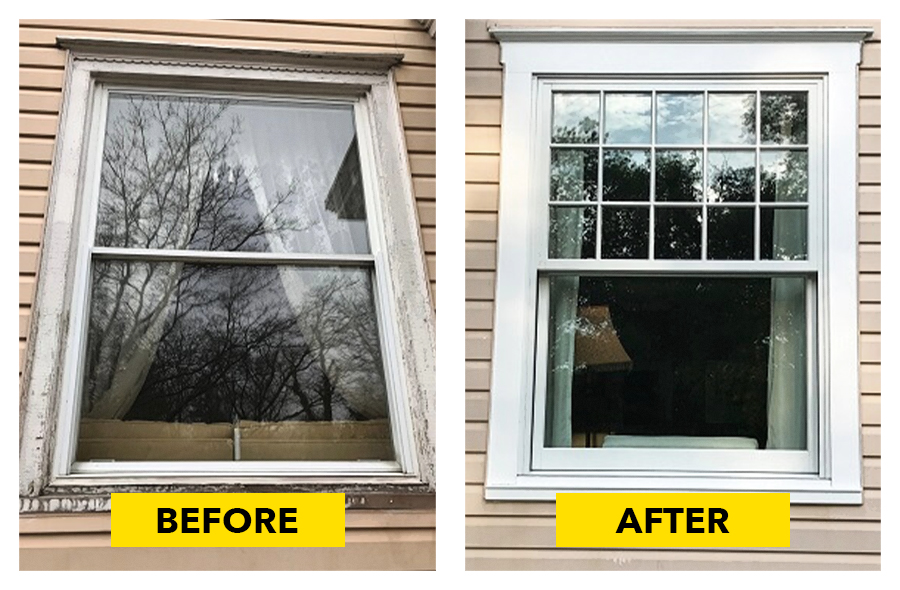
When replacing old wood windows, it’s important to recognize their long-standing appeal for classic appearance and craftsmanship. In many older homes, wood frames are part of the architectural charm that makes the house unique.
Over time, even well built wood windows can deteriorate, lose efficiency, and require frequent maintenance. For many homeowners, replacing aging wood windows is one of the most effective ways to improve comfort, reduce energy costs, and protect the home from weather-related damage.
If your home still has its original wood windows or windows that are several decades old, replacement may be worth considering. Understanding the factors involved can help you make informed decisions that balance performance, aesthetics, and cost.
Wood windows can last for decades when properly maintained, but they are not immune to wear and environmental damage. Several warning signs indicate that it may be time to replace them rather than continue repairing them.
One of the most common issues is air leakage. As wood windows age, seals and weatherstripping often degrade, allowing outside air to enter the home. According to the U.S. Department of Energy, heat gain and heat loss through windows account for roughly 25 to 30 percent of residential heating and cooling energy use.
Rotting wood is another serious concern. Moisture exposure over many years can cause the wood frame to decay, weakening the structure of the window. Once rot spreads through the frame, repairs are often temporary and full replacement becomes the most reliable solution.
Homeowners may also notice difficulty opening or closing older windows. Wood can expand, contract, and warp due to humidity and temperature changes, causing windows to stick or become misaligned. In addition to being inconvenient, this can create safety issues during emergencies.
Another common sign of failure is condensation between panes of glass in older double-pane windows. This typically indicates that the seal has failed and the insulating gas between panes has escaped, reducing the window’s energy performance.
When several of these issues appear together, replacing the windows is often more cost-effective than ongoing repairs.
One of the biggest reasons homeowners replace old wood windows is to improve energy efficiency. Advances in window technology have made modern replacement windows far more effective at insulating homes.
Many new windows feature double or triple-pane glass with insulating gas such as argon or krypton between the panes. This design significantly reduces heat transfer compared to older single-pane windows.
Low-emissivity coatings, often called Low E coatings, are another major improvement. These coatings reflect heat while allowing natural light to pass through the glass, helping maintain comfortable indoor temperatures throughout the year.
According to the Environmental Protection Agency, replacing single-pane windows with ENERGY STAR-certified windows can reduce household energy bills by an average of 12 percent.
Modern windows also include improved sealing systems and weatherstripping that reduce drafts and air infiltration. This not only lowers energy costs but also makes indoor temperatures more consistent throughout the home.
When evaluating replacement options, homeowners should look for windows that meet ENERGY STAR performance standards for their region.
Replacing wood windows does not necessarily mean you must choose wood again. Modern replacement windows are available in a variety of materials, each offering different benefits in terms of durability, cost, and maintenance.
Vinyl windows are among the most popular choices. They are affordable, energy efficient, and require very little maintenance. Vinyl frames do not need painting and are resistant to moisture damage.
Fiberglass windows are another durable option. Fiberglass frames are known for their strength and stability, and they expand and contract very little with temperature changes. This helps maintain tight seals and long-lasting performance.
Composite window frames combine wood fibers with synthetic materials to create frames that resist rot while still offering a traditional appearance.
For homeowners who prefer the look of wood inside the home, wood-clad windows offer a compromise. These windows feature wood interiors with protective exterior cladding made from aluminum or fiberglass. The exterior cladding shields the wood from weather exposure while preserving the classic interior aesthetic.
Choosing the right material depends on factors such as maintenance preferences, architectural style, and long-term durability.
Many older homes feature distinctive window styles that contribute significantly to their architectural identity. When replacing wood windows, it is important to consider how new windows will affect the overall appearance of the home.
Modern manufacturers offer replacement windows designed to replicate traditional designs, including double hung windows, casement windows, and custom shapes. Decorative grilles can also be added to match historical muntin patterns.
The National Park Service emphasizes that windows are one of the most defining elements of historic buildings and that thoughtful replacement can preserve architectural character while improving energy efficiency.
Working with experienced professionals helps ensure that replacement windows complement the existing design rather than detract from it.
The installation method used during window replacement plays a major role in long-term performance. Even the highest quality window can fail if it is installed incorrectly.
Two primary installation approaches are commonly used.
Insert replacement windows are installed within the existing frame. This method is typically less invasive and faster to complete. However, it only works if the existing frame is structurally sound and free of rot or water damage.
Full frame replacement involves removing the entire window assembly, including the frame and trim. A new frame and window unit are installed directly into the rough opening. While this approach requires more labor, it allows contractors to correct structural issues and improve insulation around the opening.
Proper flashing and sealing during installation are critical for preventing water intrusion and air leakage. Building Science Corporation notes that poor window installation is a major contributor to moisture problems within building walls.
Choosing experienced installers helps ensure that the window system performs as intended.
The cost of replacing wood windows varies widely depending on factors such as window size, materials, installation complexity, and the number of windows being replaced. While window replacement represents a significant investment, it can provide substantial long-term benefits.
Energy savings are one important advantage. Reduced heating and cooling costs can offset part of the installation expense over time.
New windows can also improve property value. According to the National Association of Realtors, new windows are among the home improvement projects that can enhance resale appeal and attract potential buyers.
Another financial benefit is reduced maintenance. Older wood windows often require scraping, repainting, and sealing to prevent deterioration. Modern materials such as vinyl and fiberglass require far less upkeep, which can save homeowners time and maintenance expenses.
When considering costs, homeowners should think about the overall value of improved comfort, efficiency, and durability rather than focusing solely on the upfront price.
Replacing old wood windows can significantly improve everyday comfort inside your home.
Drafty windows allow cold air to enter during winter and warm air to enter during summer, creating uneven temperatures in different rooms. Modern replacement windows provide better insulation and sealing, helping maintain consistent indoor conditions.
Noise reduction is another benefit. Multi-pane glass and improved frame construction can significantly reduce outside noise, which is especially helpful for homes located near busy streets or populated areas.
Modern glazing technology also allows homeowners to enjoy natural light without excessive solar heat gain. This makes living spaces brighter while maintaining comfortable temperatures.
Improving home energy efficiency is one of the most effective ways homeowners can reduce their environmental impact. Replacing inefficient windows plays an important role in this process.
The U.S. Department of Energy explains that improving insulation and sealing in homes can significantly reduce overall energy consumption and related emissions.
Many modern window manufacturers also use recyclable materials and environmentally responsible production processes. Some components from old windows may also be recyclable, reducing landfill waste.
Choosing energy-efficient replacement windows supports both environmental sustainability and long-term household savings.
Window replacement requires careful measurement, precise installation, and knowledge of building envelope performance. Improper installation can lead to air leaks, water intrusion, and reduced energy efficiency.
Professional installers understand how to properly measure openings, apply flashing, and seal gaps to prevent moisture infiltration. They can also identify hidden structural issues that may need to be addressed before installing new windows.
Experienced contractors can help homeowners select the right window styles and materials for their climate, architecture, and budget. Their expertise helps ensure that replacement windows deliver the expected performance and longevity.
Replacing old wood windows can dramatically improve your home’s comfort, efficiency, and long term durability. By understanding the factors involved, including materials, energy performance, and installation methods, you can make confident decisions about your home improvement project.
If your windows are drafty, deteriorating, or simply outdated, the team at 2FL Windows, Siding and Roofing can help you explore modern replacement options tailored to your home.
Schedule a free estimate today. A professional consultation can help you find window solutions that enhance comfort, reduce energy costs, and protect your home for years to come.
Further Reading:

Read the latest articles about windows.