Published on: January 27, 2026
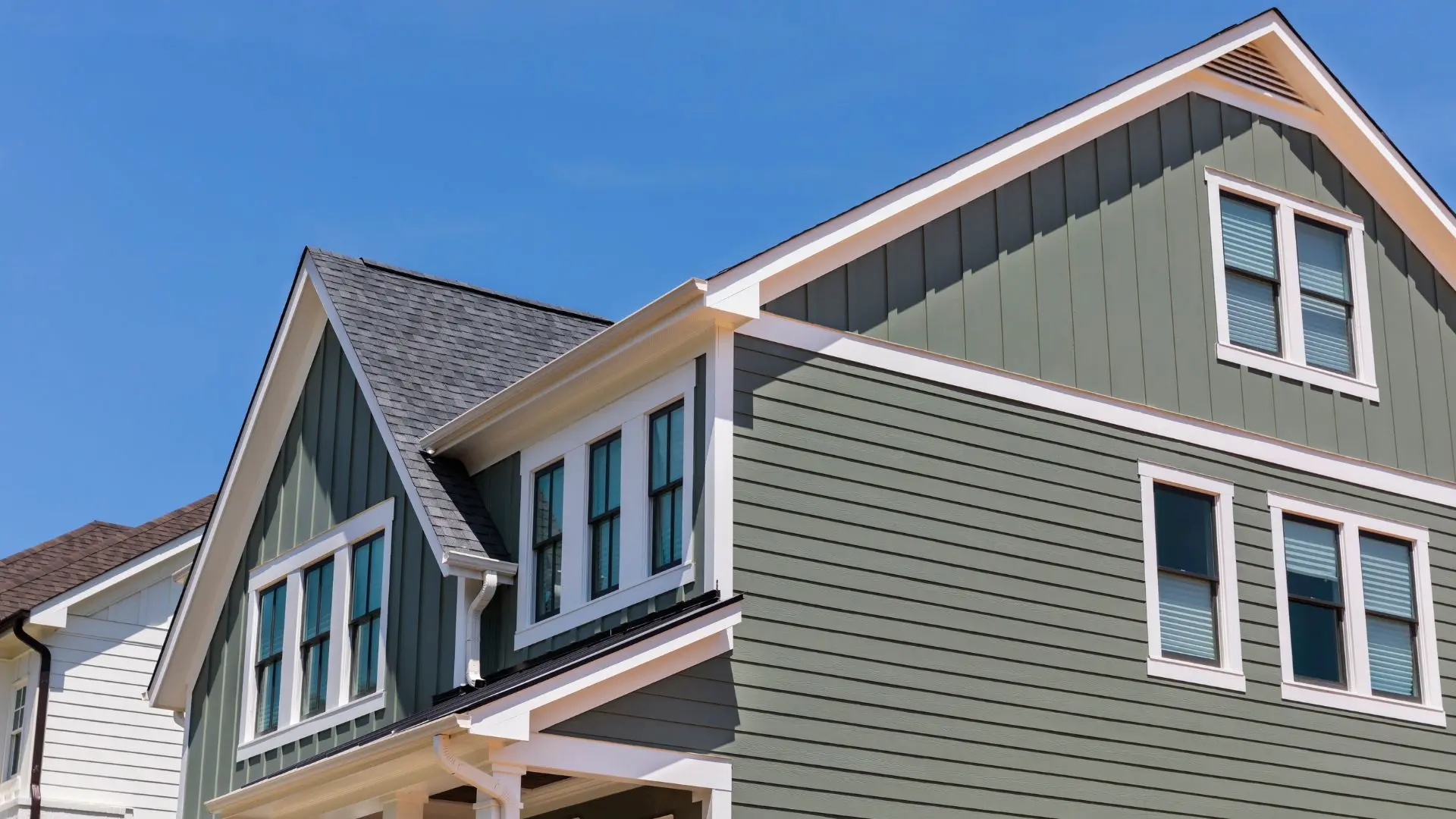
When it comes to siding your home, the best siding options climates require careful consideration rather than a one-size-fits-all choice. What performs well in icy, snow-laden winters may not hold up under blistering summer heat, and vice versa. For homeowners working with 2FL Windows, Siding and Roofing, climate, installation quality, and long-term resilience matter just as much as aesthetics or cost.
Below, we explore the siding options climates demand most, explain why each works (or fails), and provide practical guidance for long-term protection and comfort.
Choosing the right siding options climates require is essential, as siding is not just a cosmetic layer but your home’s first barrier against temperature extremes, moisture, wind, and sunlight.
In cold regions, siding endures freeze-thaw cycles, snow accumulation, ice, biting winds, and the constant struggle to keep indoor warmth from escaping.
In hot or arid regions, siding faces intense UV radiation, heat absorption, rapid thermal expansion and contraction, and potential moisture or humidity-related stress (particularly in humid hot climates).
Selecting siding without considering these climate stressors is a gamble. The wrong siding can crack, warp, fade, or degrade fast. The right siding, especially when properly installed, protects your home, reduces maintenance, and prolongs service life.
With that in mind, let’s look at siding choices by climate.
For homes in cold, snowy, or freeze-prone regions, contractors often recommend specific siding options climates with extreme winter conditions demand.
One of the best overall siding choices for cold climates is fiber cement. Crafted from a blend of cement, sand, and cellulose fibers, fiber cement siding offers exceptional durability, moisture resistance, and stability under freeze-thaw cycles. It resists warping, swelling, cracking, and shrinking even when exposed to ice, snow, and repeated temperature swings.
Because of its robustness, fiber cement also tends to resist pests and fire, which are valuable bonuses in regions where homes face a variety of environmental stresses.
The trade-off: fiber cement siding is heavier than vinyl or wood, requires professional installation, and usually costs more upfront. But for cold weather durability and low long-term maintenance, many contractors consider it the top contender for longevity and reliability.
Traditional vinyl siding has its limits in cold climates. It can become brittle in subzero temperatures, potentially cracking under impact or severe freeze-thaw cycles.
However, when you choose insulated vinyl siding, with rigid foam backing and enhanced rigidity, it becomes a much stronger candidate. Insulated vinyl helps improve thermal performance, reduces heat loss through exterior walls, and stands up better to cold stress than standard vinyl.
While insulated vinyl may not match the longevity or all-weather resilience of fiber cement, it can offer a good balance of affordability, energy efficiency, and acceptable durability for moderately cold climates — especially where winters are milder or homes are well insulated internally.
If you love the look of natural wood but worry about wood’s typical vulnerabilities in cold and damp climates, engineered wood siding is worth considering. Treated with resins and protective coatings, engineered wood resists moisture, rot, and temperature-induced warping better than traditional wood siding, while still delivering a warm, classic aesthetic.
That said, engineered wood must be installed carefully, sealing, flashing, and proper underlayment are essential, and periodic maintenance may still be needed to preserve its protective qualities over time.
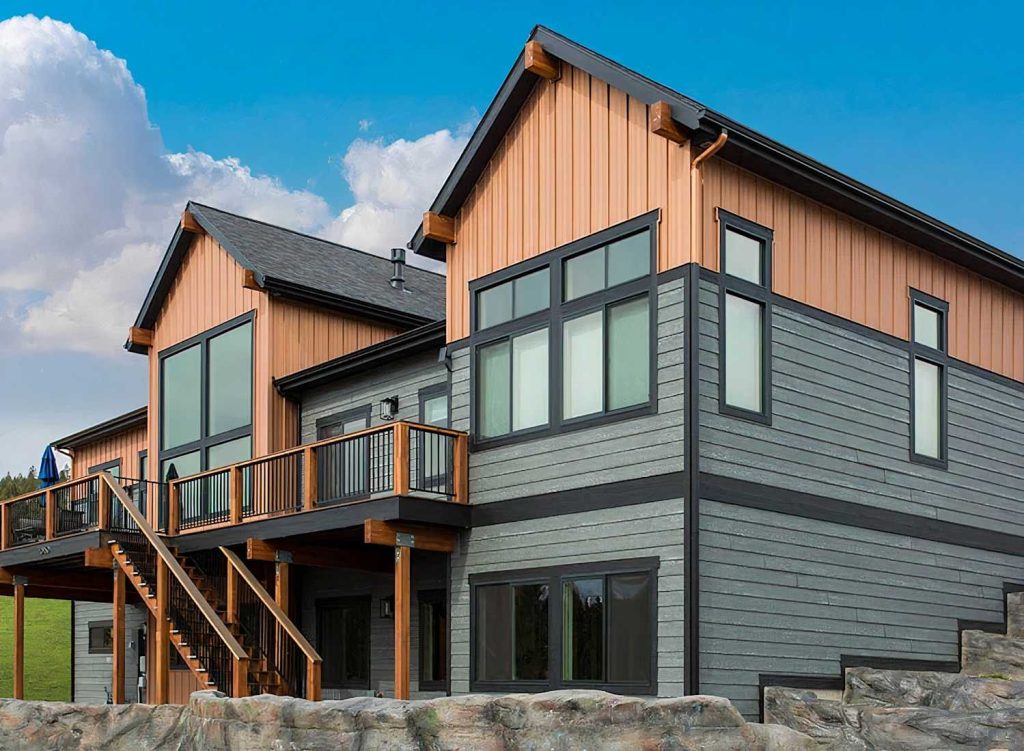
In areas where heat, strong sun, UV exposure, and even humidity dominate, the requirements shift. Siding needs to resist warping, expansion, color fading, moisture (in humid regions), and thermal expansion/contraction. The siding materials contractors commonly recommend in these climates include:
Fiber cement is not just for cold climates. It is versatile enough to perform well even under intense heat, humidity, or sun exposure. Its dense, stable composition resists warping and cracking under high temperatures. Plus, fiber cement does not absorb water, which helps in humid or rainy climates where moisture and mildew can be a concern.
For homeowners who want a long-lasting, low-maintenance exterior that can stand up to both summer heat and seasonal storms or humidity, fiber cement remains among the top recommendations.
Metal siding — particularly steel or properly coated aluminum — can be an excellent choice for hot, dry climates. Its reflective surface minimizes heat absorption, and metal will not warp, crack, or rot under sun exposure. It is also fire-resistant and often low maintenance.
Metal siding tends to perform well where heat, wind, and minimal precipitation are the norm. However, in humid climates or flood-prone zones, moisture and rust resistance become critical, so ensure coatings and regular maintenance if you go with metal siding.
Vinyl siding is affordable, widely available, and low maintenance, making it a tempting baseline option in warmer climates. However, standard vinyl can warp or fade under intense, prolonged UV exposure or high heat.
If you select vinyl in a hot climate, it’s often best paired with reflective coatings or light colors to minimize heat absorption. Engineered wood siding may also work, but only if well sealed, maintained, and protected, especially in humid or rainy warm climates.
Here is a simplified breakdown for homeowners to match siding to climate conditions:
Even the best siding options climates call for can fail without proper installation, detailing, and allowance for expansion and moisture control. In any climate, cold or hot, proper installation must include correct underlayment, moisture barriers, flashing, sealing, and allowance for expansion and contraction. A siding system is only as good as the workmanship behind it.
For example, fiber cement siding requires careful handling because it is heavy and brittle at the edges during installation; improper fastening or damage at seams can lead to cracking later.
Likewise, metal siding needs proper fasteners and coatings to resist rust or corrosion, especially in humid or coastal climates. Vinyl siding must have room for expansion/contraction, and detailed sealing to prevent moisture intrusion.
A well-installed siding job that factors in climate, building envelope, and proper detailing dramatically improves lifespan, performance, and energy efficiency.
At 2FL Windows, Siding and Roofing, we believe siding selection should never be one-size-fits-all. We take into account:
By aligning those factors, we help you choose between fiber cement, insulated vinyl, engineered wood, metal, or other siding options — ensuring the siding you install today will still look and perform well decades from now.
Because installation quality matters as much as material, our experienced crews ensure proper underlayment, flashing, sealing, expansion allowance, and finishing detail, so your siding delivers maximum protection in your climate.
Your siding is more than decoration. It’s protection. In cold climates, it shields your home from freeze-thaw damage, snow, cold air infiltration, and moisture intrusion. In hot or dry climates, it resists heat, UV, warping, and thermal stress. But no matter the climate, the right siding must be paired with expert installation and proper detailing.
For many homeowners, that combination of climate-appropriate material and professional installation makes all the difference, culminating in lower maintenance, fewer repairs, better energy efficiency, and long-term durability.
If you are planning new siding and want to get it right the first time, let professionals guide you.When you want siding that truly fits your climate and is installed to last, reach out to 2FL Windows, Siding and Roofing.
Schedule a free estimate to learn more about your project and explore the siding options that match your weather, your home, and your goals.
Further Reading:

Read the latest articles about siding.