Published on: July 07, 2026
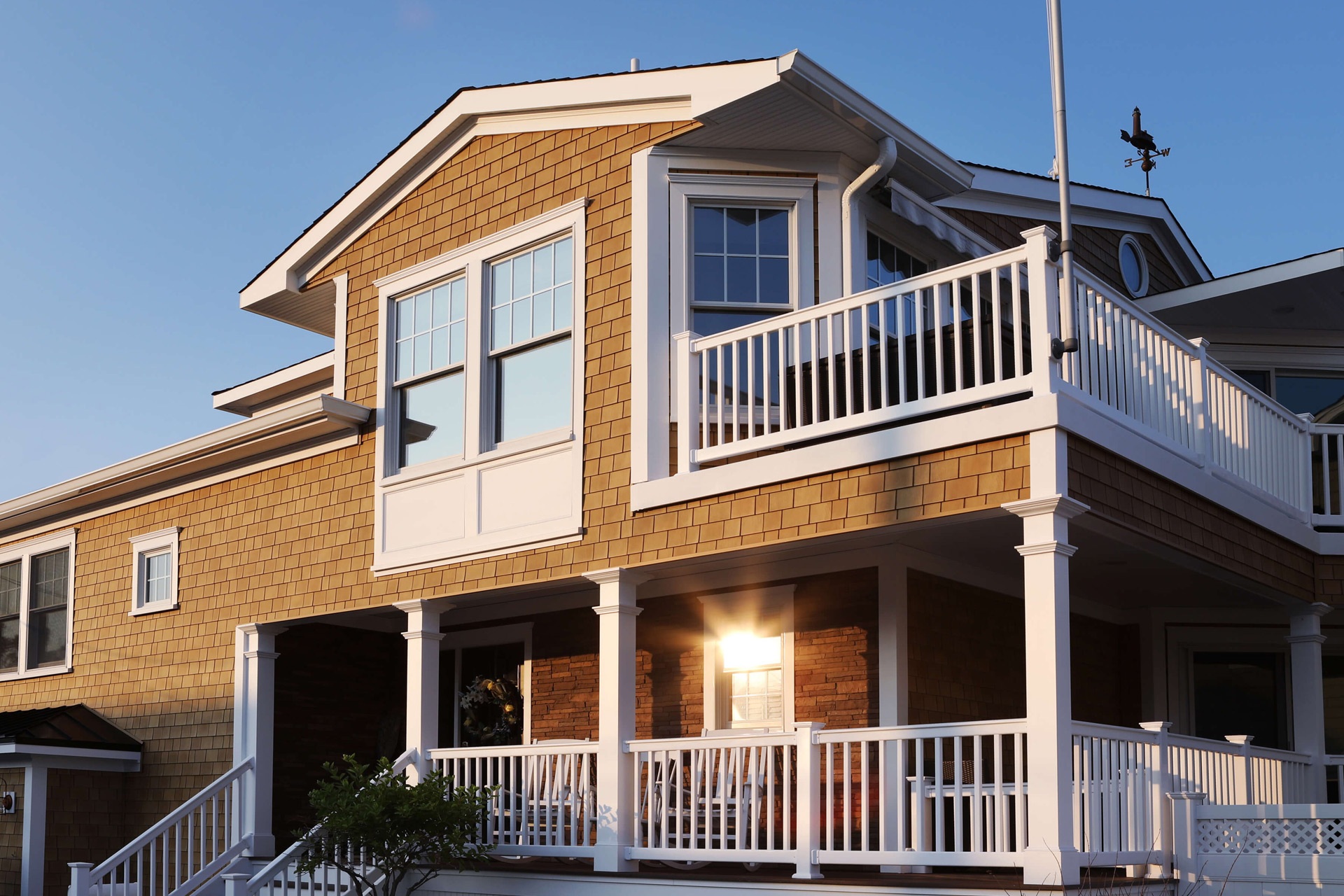
Summer brings longer days, warmer temperatures, and plenty of sunshine. While most homeowners welcome the season, the intense heat and ultraviolet (UV) radiation that come with summer can take a toll on your home’s exterior. Two of the most vulnerable areas are your Summer Windows and Siding systems.
Over time, prolonged exposure to sunlight can cause fading, warping, expansion, higher energy bills, and even premature material failure. Understanding how summer weather impacts these critical components of your home can help you identify problems early and make smart investments that protect your property for years to come.
Get to know how Summer Windows and Siding are affected by intense sun, the warning signs to watch for, and the steps homeowners can take to minimize damage and improve comfort.
Windows are your home’s connection to natural light and outdoor views, but they are also one of the primary pathways for solar heat gain.
During the summer months, sunlight streaming through windows can significantly increase indoor temperatures and place additional strain on your cooling system.
According to the U.S. Department of Energy and Energy Star, standard windows can allow a substantial amount of solar heat to enter a home, increasing cooling costs and reducing comfort.
One of the biggest challenges affecting Summer Windows and Siding is solar heat gain. When sunlight passes through glass, it brings heat with it. West-facing and south-facing windows are particularly susceptible because they receive the most direct sunlight throughout the day.
The Department of Energy notes that windows with lower Solar Heat Gain Coefficient (SHGC) ratings are better at reducing unwanted heat gain during warmer months.
If your windows are older, single-pane, or have deteriorating seals, your air conditioner may have to work harder to maintain comfortable indoor temperatures. This increased workload can lead to higher energy consumption and increased utility costs.
Sunlight contains ultraviolet rays that can gradually damage items inside your home. Flooring, furniture, curtains, artwork, and other belongings may fade or discolor after years of exposure.
Energy Star reports that advanced window coatings can reduce UV-related fading significantly while still allowing natural light into the home.
If you’ve noticed uneven fading on hardwood floors or furniture near windows, UV exposure may be the culprit.
Extreme temperature fluctuations can also place stress on window components. As temperatures rise, window frames and glass expand. Repeated cycles of heating and cooling can contribute to seal deterioration over time, especially in older windows.
When seals fail, homeowners may notice condensation between panes, reduced energy efficiency, or a cloudy appearance. The Department of Energy notes that proper installation and high-performance window systems are essential for minimizing air leakage and maintaining efficiency.
During the summer, watch for these common indicators that your windows may need attention:
Addressing these issues early can help prevent more expensive repairs down the road.
While windows often receive the most attention when it comes to heat gain, siding also endures constant exposure to sunlight and elevated temperatures.
The exterior cladding of your home serves as a protective barrier against weather, moisture, and UV radiation. Over time, summer heat can affect siding materials in several ways.
Most siding materials naturally expand when temperatures rise and contract when temperatures fall. Vinyl siding is particularly susceptible to this movement.
When properly installed, siding systems are designed with room for expansion. However, if siding was installed too tightly or lacks adequate clearance, high summer temperatures can cause buckling, rippling, or warping.
Industry experts note that heat-related expansion is one of the most common causes of visible siding distortion during summer months.
South-facing walls often experience the greatest amount of thermal stress because they receive direct sunlight for extended periods each day.
Ultraviolet radiation gradually breaks down pigments in siding materials. Over time, vibrant colors can become faded or uneven.
While modern siding products are manufactured with improved UV-resistant technology, years of exposure can still lead to noticeable discoloration. Homes with darker-colored siding may experience more visible fading because darker surfaces absorb more solar energy.
If one side of your home appears noticeably lighter than another, prolonged UV exposure may be responsible.
Extreme heat can occasionally cause siding panels to deform. This is particularly true when siding experiences concentrated heat from reflected sunlight.
In some cases, energy-efficient window glass can reflect and focus sunlight onto nearby siding surfaces. This concentrated heat may cause vinyl siding to soften, warp, or even melt in localized areas. Contractors and building professionals have documented instances where reflected solar energy contributed to siding damage.
Common signs include:
Summer heat often coincides with thunderstorms and high humidity levels. If siding is already damaged, warped, or pulling away from the home, moisture can infiltrate the wall system.
Once moisture becomes trapped behind siding, it can contribute to mold growth, wood rot, and structural deterioration. Maintaining siding integrity is essential for preventing water-related issues throughout the year.
The good news is that several practical solutions can help reduce heat gain and protect your windows from summer-related wear.
Modern replacement windows are engineered to reduce heat transfer and improve comfort. Features such as Low-E coatings, insulated glass units, and optimized SHGC ratings help minimize unwanted solar heat gain while preserving natural light. The National Fenestration Rating Council (NFRC) labeling system provides valuable performance information that can help homeowners compare products.
New windows can also improve indoor comfort, reduce cooling costs, and help protect furnishings from UV damage.
Window coverings remain one of the most effective and affordable ways to reduce solar heat gain. According to the Department of Energy, window attachments such as blinds, shades, awnings, curtains, and shutters can help regulate temperatures and lower cooling demands.
Closing coverings during the hottest parts of the day can significantly reduce indoor heat buildup.
Small gaps around windows can allow conditioned air to escape and outdoor air to enter. Sealing leaks and replacing worn weatherstripping can improve energy efficiency and reduce strain on your HVAC system.
If your windows show signs of seal failure or significant deterioration, replacement may be the most cost-effective long-term solution.
Protecting siding starts with routine inspections and proactive maintenance.
Walk around your home periodically and look for:
Early detection allows problems to be addressed before they become more extensive and expensive.
Dirt, debris, mold, and mildew can accumulate on siding surfaces over time. Regular cleaning helps maintain appearance and allows homeowners to identify developing issues more easily.
Always follow manufacturer recommendations for cleaning methods and products.
If your siding is buckling or warping during hot weather, improper installation may be contributing to the problem. A professional inspection can determine whether expansion gaps, fastening methods, or other installation details need correction.
Older siding that has become faded, damaged, or inefficient may no longer provide the protection your home needs. Modern siding products are designed with enhanced durability, UV resistance, and weather performance.
Replacing aging siding can improve curb appeal, increase energy efficiency, and help protect your home’s structure from long-term damage.
While some summer-related issues can be addressed with simple maintenance, others require expert evaluation. Problems such as seal failure, excessive heat gain, siding distortion, or moisture intrusion may indicate larger underlying concerns.
A professional contractor can assess the condition of your windows and siding, identify vulnerabilities, and recommend solutions that align with your home’s needs and budget.
The right upgrades can improve comfort, reduce energy costs, enhance appearance, and protect your investment for years to come.
Summer sunshine may be great for outdoor activities, but prolonged exposure can create challenges for your windows and siding. From increased heat gain and fading to warping and energy loss, the effects of UV radiation and high temperatures can add up over time.
If you’ve noticed signs of wear, rising energy bills, or declining comfort, now is the ideal time to evaluate your home’s exterior.
Contact 2FL Windows, Siding and Roofing today to schedule a free estimate and learn more about the best solutions for your project.
Further Reading:

Read the latest articles about windows.